Workers’ Compensation Insurance for Clothing Shops in Oregon

Why Workers’ Compensation Matters for Clothing Shops in Oregon

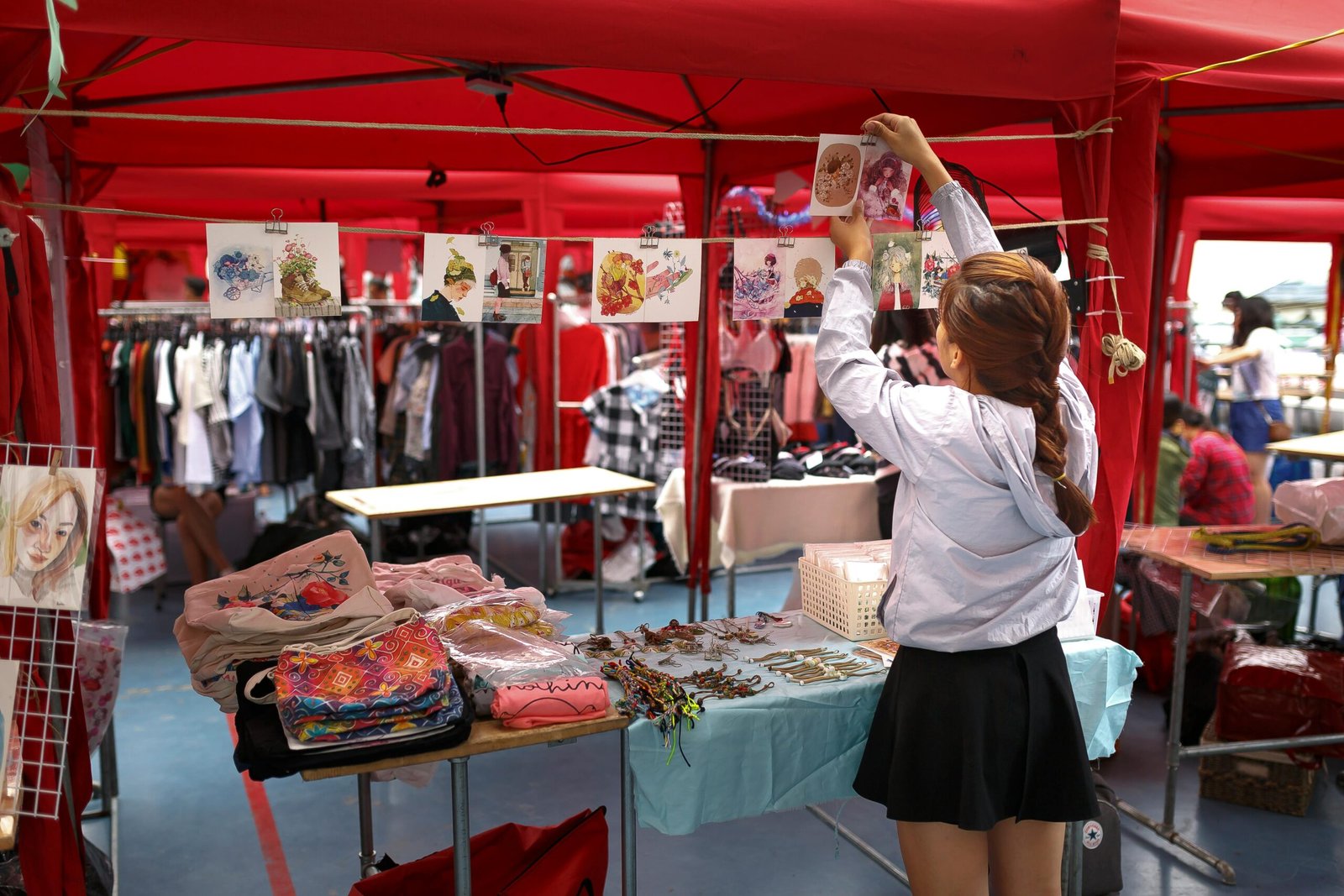
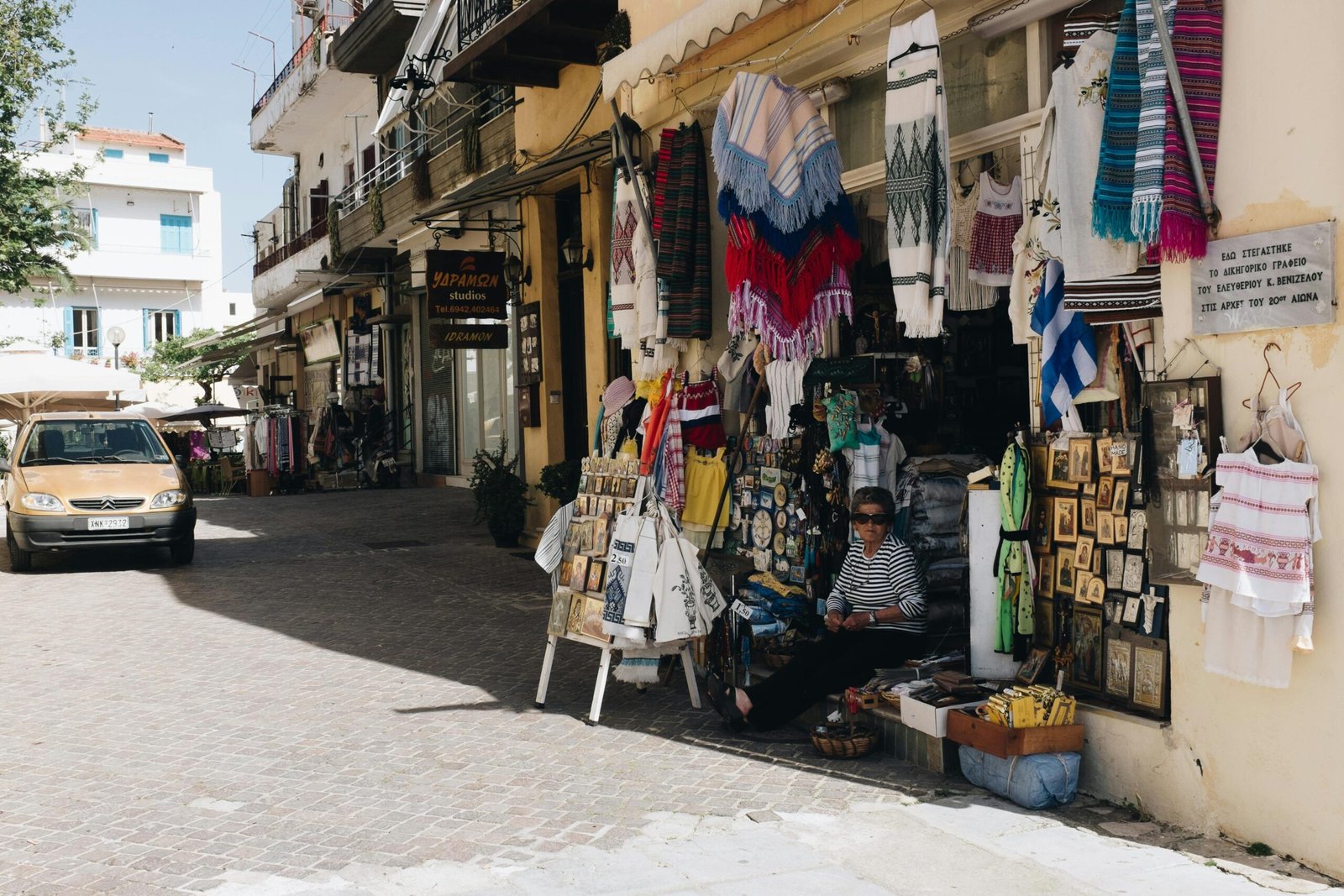
Retail apparel workers perform a variety of physical tasks—organizing racks, unpacking shipments, arranging displays, assisting customers, tagging merchandise, and more. Even with proper training and safe store practices, injuries can happen unexpectedly.

Workers’ comp acts as a safety net by covering injury-related costs and keeping your business protected. It provides financial support to injured employees and shields your Oregon clothing shop from lawsuits or penalties. This coverage allows you to focus on running your store without worrying about the financial impact of an unexpected accident.

Common Injury Risks for Clothing Shop Employees in Oregon

Clothing retail employees face more risks than many owners realize. Some of the most common hazards include:

  • Back injuries and muscle strains from lifting heavy clothing boxes or stock shipments

  • Slip-and-fall accidents caused by wet floors, hanging tags, loose clothing, or clutter

  • Ladder and step-stool accidents while stocking high shelves or changing displays

  • Repetitive motion injuries from folding clothes, tagging items, or scanning merchandise

  • Cuts or punctures from box cutters, security tag removers, or display tools

  • Trip hazards from hangers, packaging materials, or cords

  • Customer-related incidents such as accidental injuries during busy hours

  • Stress injuries from long hours of standing or walking the sales floor

Workers’ compensation helps ensure your employees get proper care if any of these incidents occur.

What Workers’ Compensation Covers for Clothing Shops in Oregon

  • Workers’ comp provides broad protection designed to keep your business and employees safe. Coverage typically includes:

    Medical Expenses

    Covers doctor visits, emergency care, medications, physical therapy, diagnostics, and related medical treatments.

    Wage Replacement Benefits

    Provides partial wage compensation when injured employees are unable to work.

    Disability Benefits

    Offers financial support if an employee experiences temporary or permanent disability.

    Rehabilitation and Recovery Services

    Covers therapy, rehabilitation, or vocational support if needed.

    Employer Liability Protection

    Helps your business avoid significant costs if an employee files a claim or lawsuit.

    This ensures your clothing shop remains compliant with Oregon law while supporting a healthy and secure workforce.

Who Needs Workers’ Compensation in a Clothing Shop in Oregon?

Every clothing retail business in Oregon with employees must carry workers’ compensation insurance. This includes:

  • Retail store associates

  • Cashiers and front-end staff

  • Stock and inventory workers

  • Visual merchandisers

  • Fitting room attendants

  • Back-room staff

  • Seasonal or part-time employees

  • Managers and supervisors (if classified as employees)

If at least one employee works for your shop, Oregon law requires workers’ compensation coverage.

  • FAQS

Frequently Asked Questions

We understand that insurance can feel confusing, especially when it involves protecting your employees, tools, and business assets. That’s why we created this detailed FAQ page—to bring clarity, confidence, and peace of mind to Oregon business owners.
Here you’ll find straightforward answers to the most common questions about Workers’ Compensation, General Liability, Business Owner’s Policies (BOP), and Tools & Equipment coverage. Our goal is to help you make fully informed decisions and secure the right protection for your business.
Yes. Any clothing store with employees must carry workers’ comp to comply with Oregon law.


Yes. Back strains, muscle injuries, and lifting-related accidents are fully covered.


Absolutely. Falls caused by wet floors, clutter, or dropped merchandise are common retail claims.


Yes. Conditions caused by repetitive tasks are typically included.


Yes. Falls from ladders or step stools used during stocking or merchandising are covered.


Scroll to Top