Workers’ Compensation Insurance for Manufacturing Businesses
Why Workers’ Compensation Matters for Manufacturing Professionals
Shipments touch manufacturing environments where moving machinery, manual labor and repetitive tasks coexist with exposure to noise and possibly hazardous materials. Workers’ compensation provides immediate and adequate medical treatment for injured workers, while shielding employers from expensive lawsuits and interruptions to their business operations.
A vibrant workers’ compensation plan enhances employee trust, creates a safe working environment and promotes productivity. Especially in a cutthroat industry that relies on technique, accuracy and physical work, adequate coverage is a core component of managing a responsible and robust manufacturing company.
With many moving components, high-powered tools, and complex work areas, manufacturing carries several serious injury risks, including:
Machinery Accidents: Entanglement, crush injuries, or mechanical malfunctions from factory equipment.
Repetitive Motion Injuries: Assembly-line tasks and repetitive hand motions can cause long-term musculoskeletal injuries.
Slip-and-Fall Incidents: Wet floors, spilled materials, and cluttered aisles increase fall risks.
Cuts and Lacerations: Sharp tools, industrial blades, and raw material edges commonly cause injuries.
Lifting and Handling Injuries: Moving heavy inventory, raw materials, or equipment leads to sprains and strains.
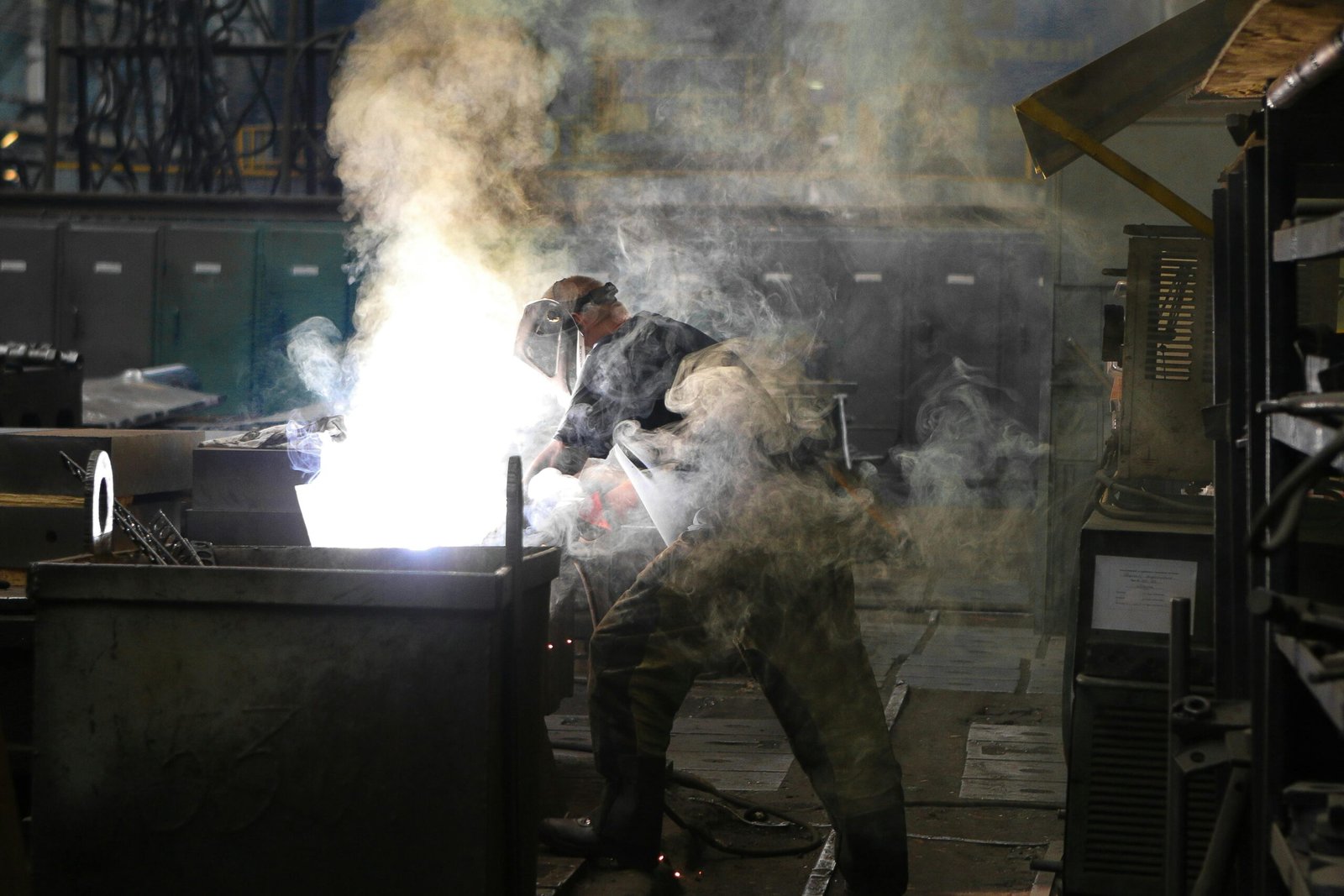
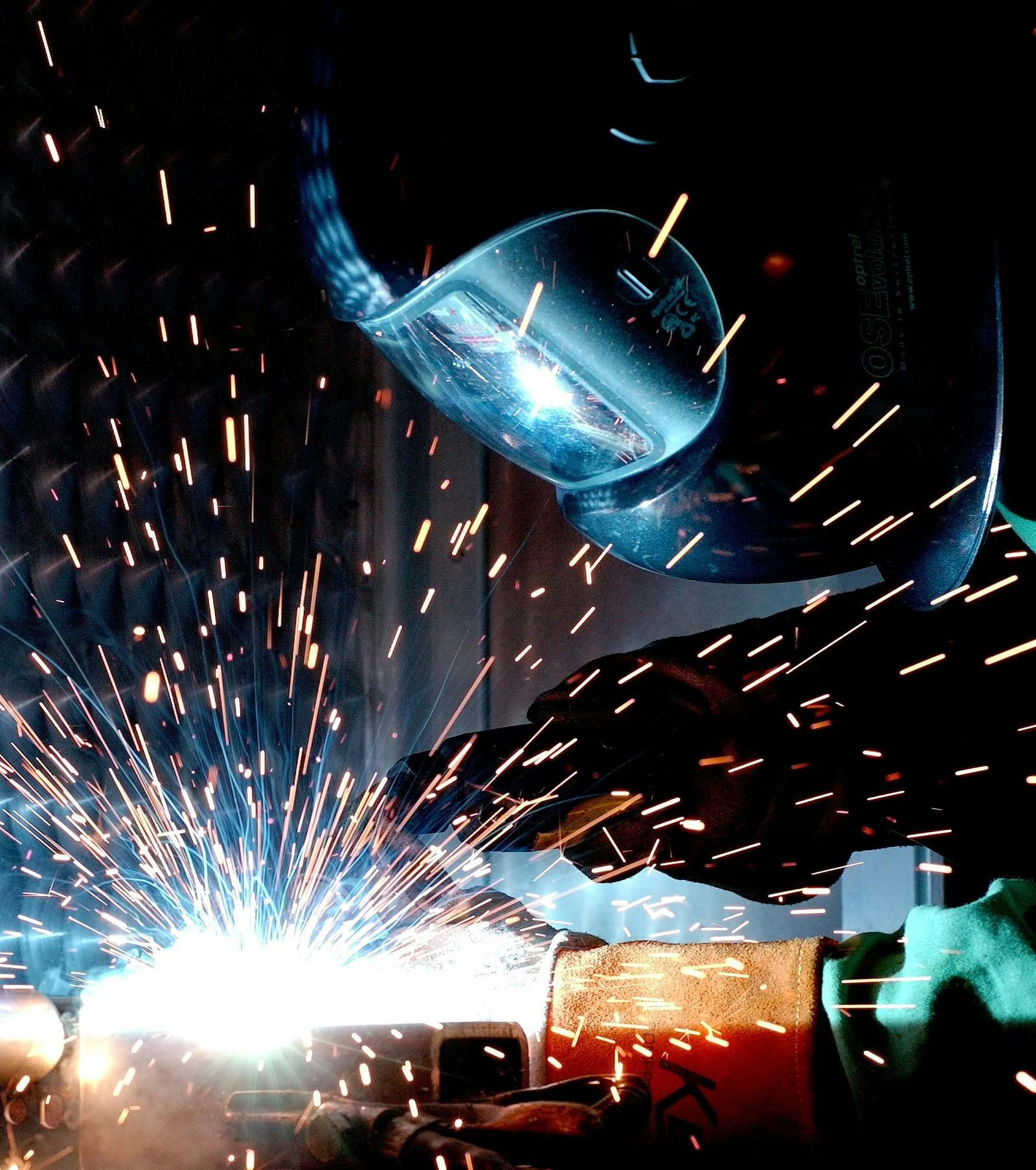
Burns and Heat Exposure: Welding, cutting, oven work, and chemical processing can result in burns or heat stress.
Chemical Hazards: Exposure to solvents, adhesives, or industrial chemicals can lead to respiratory or skin conditions.
Noise-Induced Issues: Long-term exposure to loud machinery may cause hearing loss.
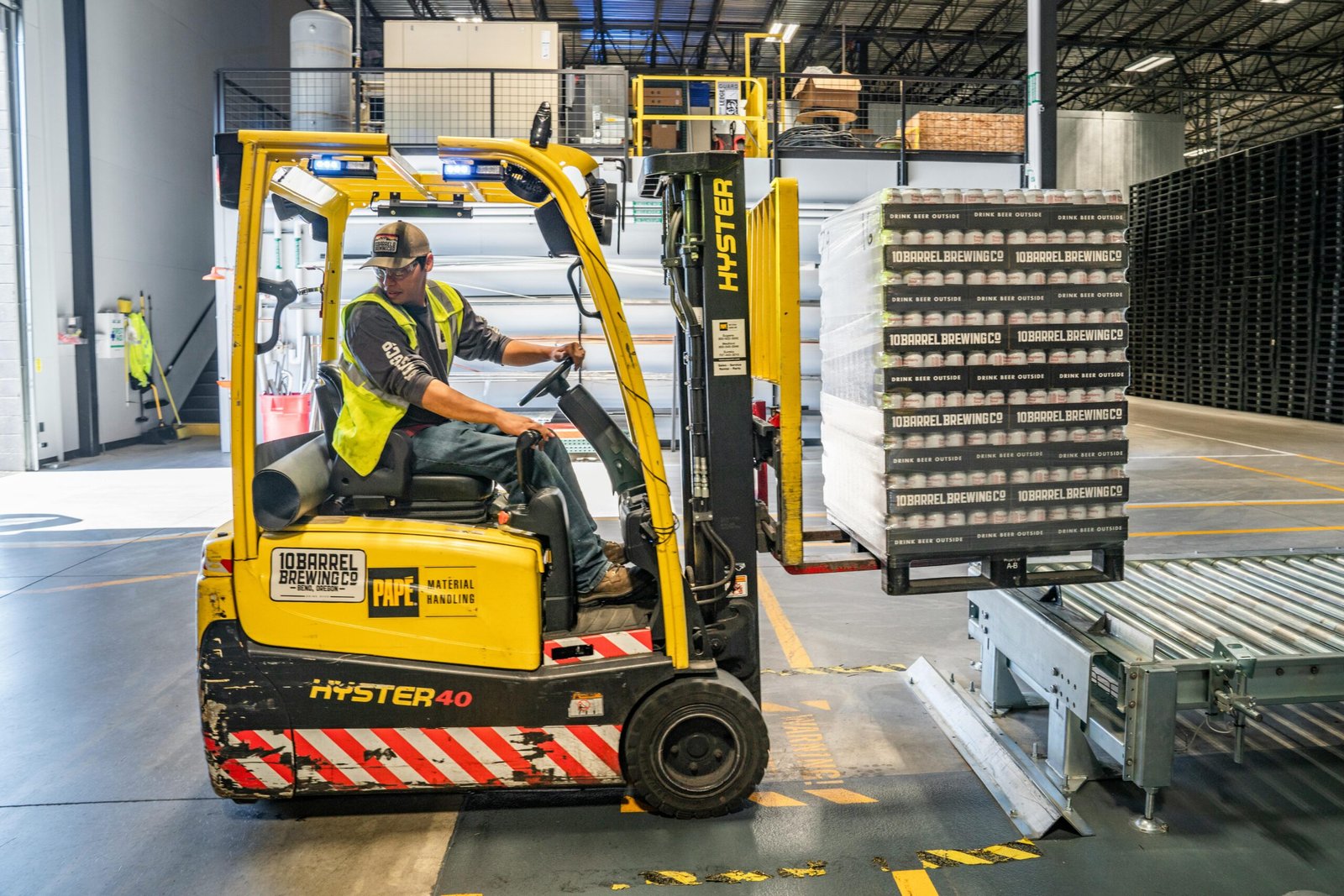
Forklift and Vehicle Accidents: Warehouse transport vehicles and forklifts pose significant injury risks.
Because these hazards happen regularly across the industry, workers’ compensation is not just helpful — it’s essential for protecting your workforce and business.
Who Needs Workers’ Compensation in the Manufacturing Sector?
Workers’ compensation is required or recommended for:
Factory workers and production teams
Machine operators
Assemblers and fabricators
Welders and metalworkers
Technicians and maintenance crews
Forklift and warehouse staff
Packaging and distribution teams
Quality control and inspection staff
Supervisors and floor managers
Food and beverage processors
Electronics and plastics workers
Textile and garment production teams
Any business involved in manufacturing — whether a small workshop or a large industrial plant — benefits from carrying proper workers’ compensation coverage.
We understand that insurance can feel confusing, especially when it involves protecting your employees, tools, and business assets. That’s why we created this detailed FAQ page—to bring clarity, confidence, and peace of mind to Oregon business owners. Here you’ll find straightforward answers to the most common questions about Workers’ Compensation, General Liability, Business Owner’s Policies (BOP), and Tools & Equipment coverage. Our goal is to help you make fully informed decisions and secure the right protection for your business.