Workers’ Compensation Insurance for Transportation Businesses
Why Workers’ Compensation Matters for Transportation Businesses
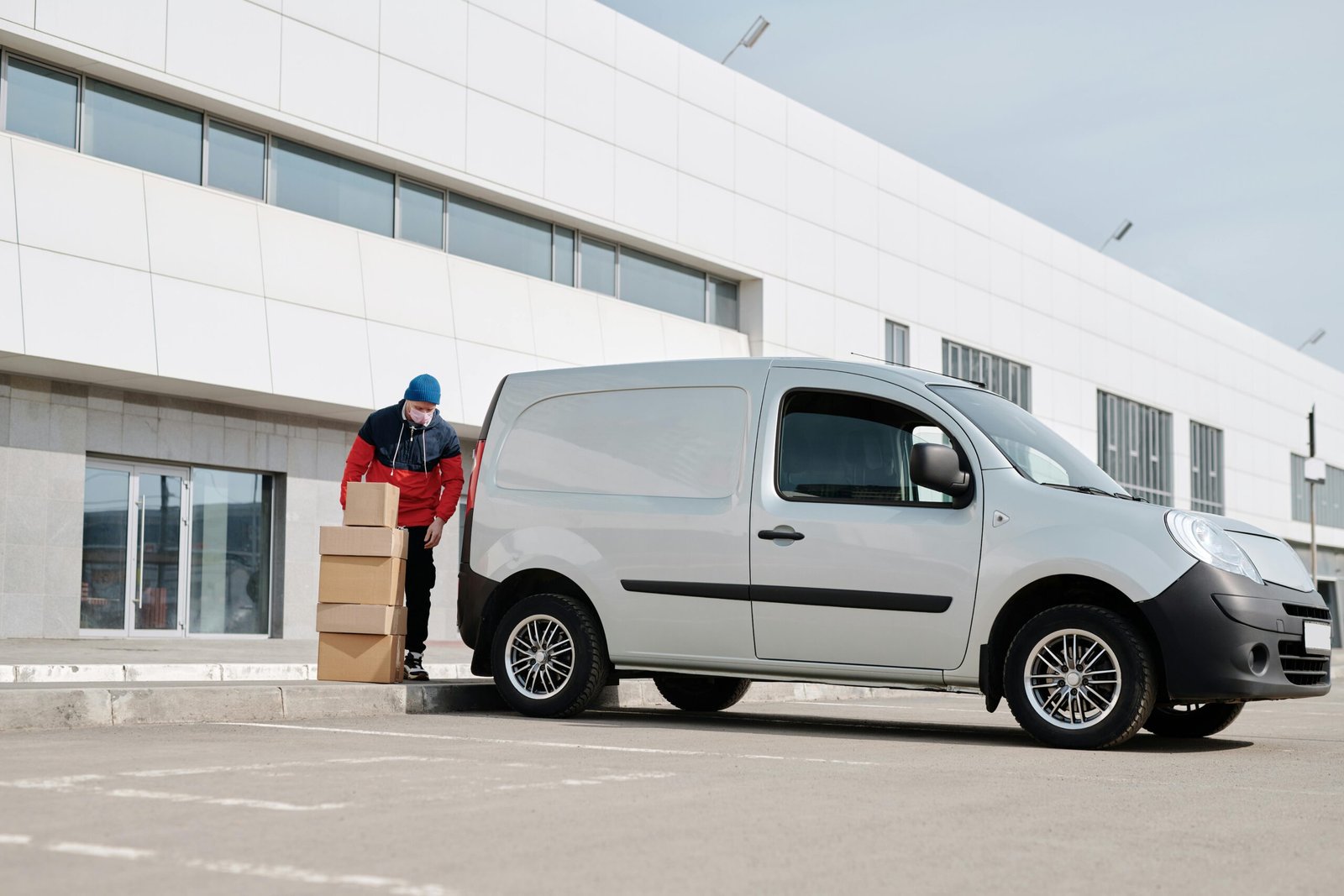
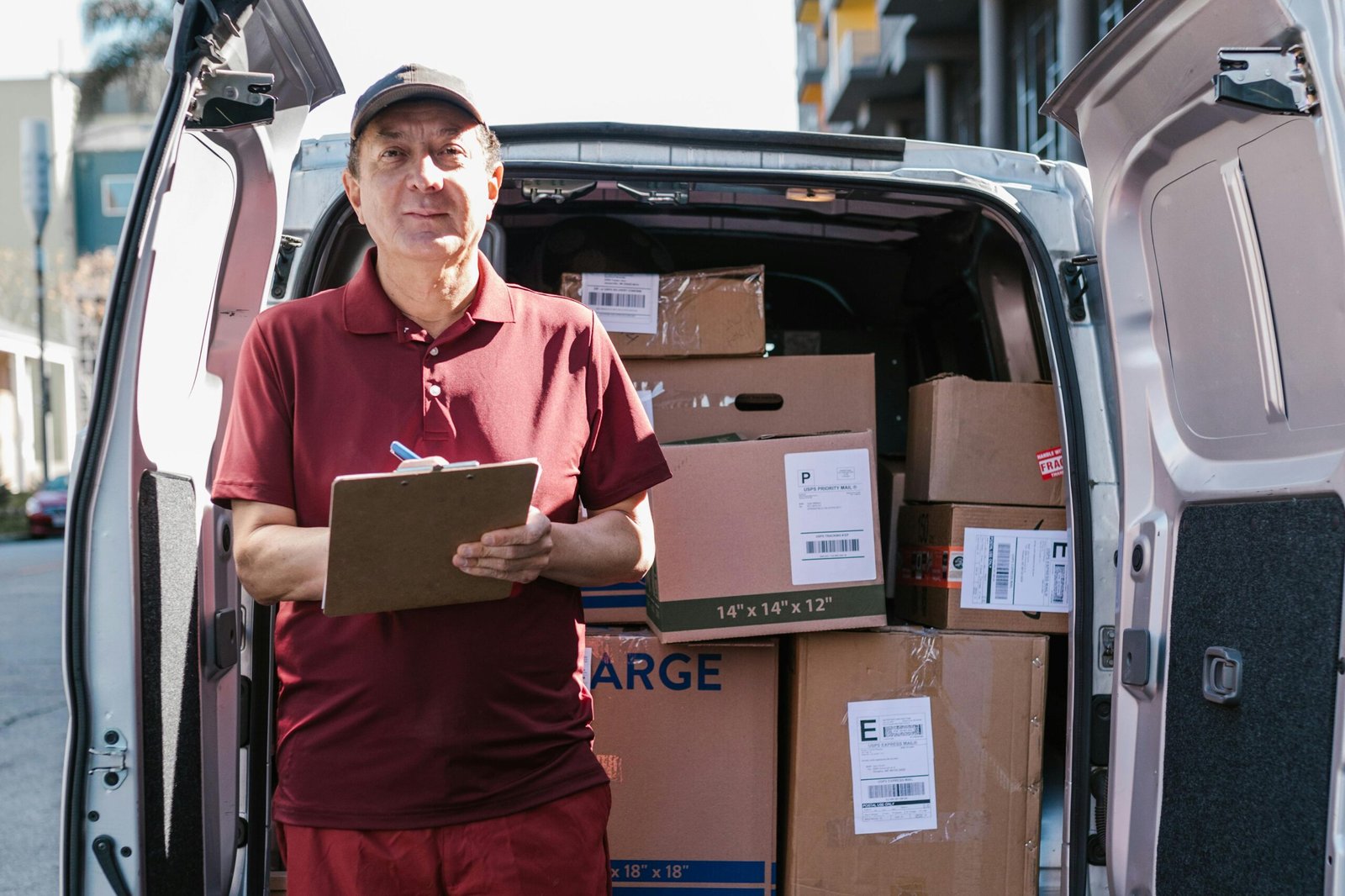
Transportation is one of the highest-risk industries due to constant road exposure, physical labor, and time-sensitive operations. A single incident — such as a collision, lifting injury, or warehouse fall — can lead to expensive medical bills and significant downtime. Workers’ compensation coverage ensures your employees get timely support, while your business remains legally protected.
Even companies with experienced drivers and strong safety protocols face unpredictable hazards, including weather conditions, distracted motorists, mechanical failures, and client-site risks. Workers’ compensation is a reliable safeguard that helps transportation businesses stay financially stable when something goes wrong.
Common Injury Risks in the Transportation Industry
Transportation work involves a wide range of job duties, all of which carry unique risks. Some of the most common workplace injuries include:
Road accidents and collisions, whether minor or severe
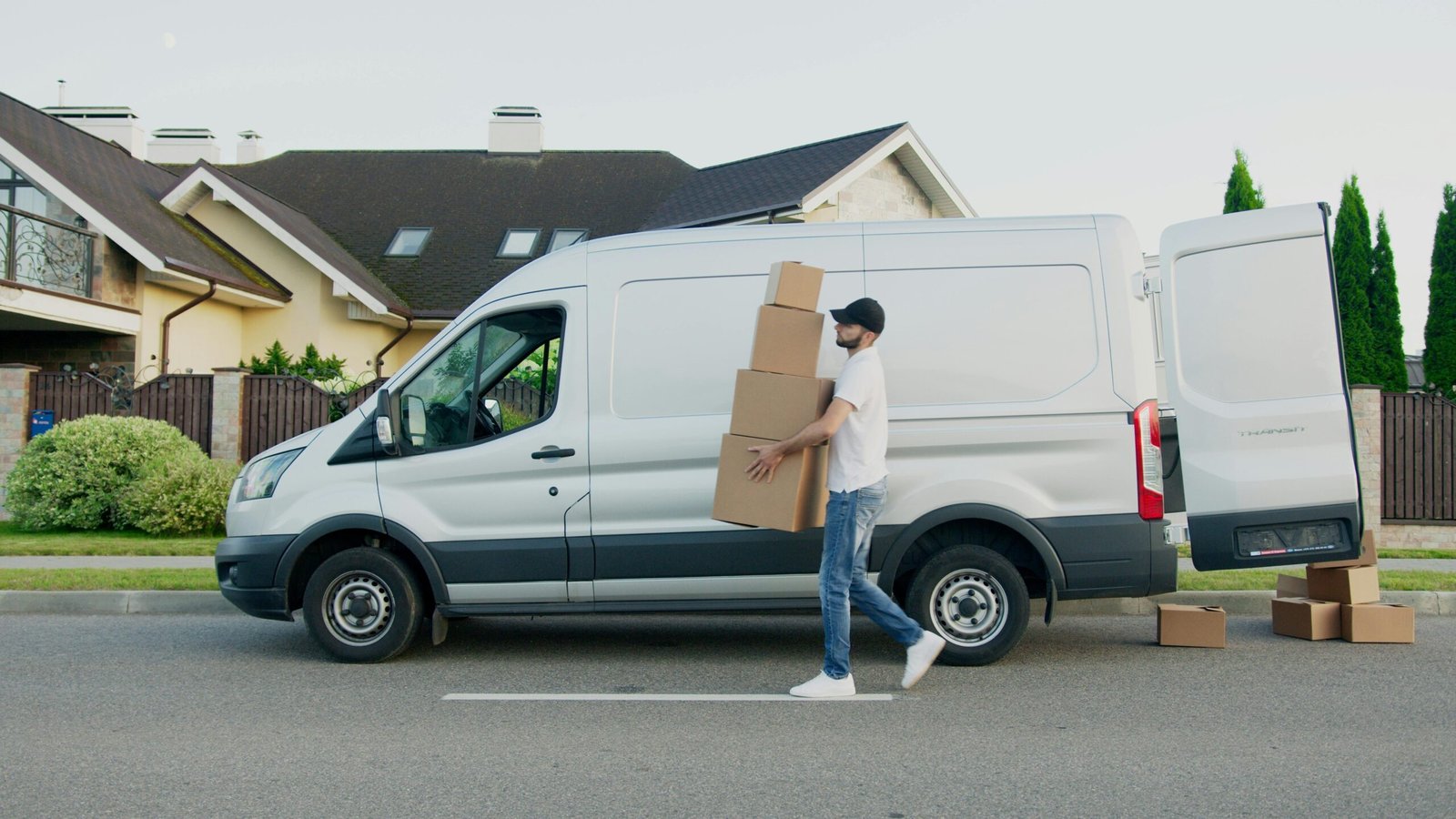
Muscle strains and back injuries from lifting freight or loading cargo
Slip-and-fall injuries at warehouses, delivery sites, or loading docks
Repetitive motion injuries from driving long hours or handling equipment
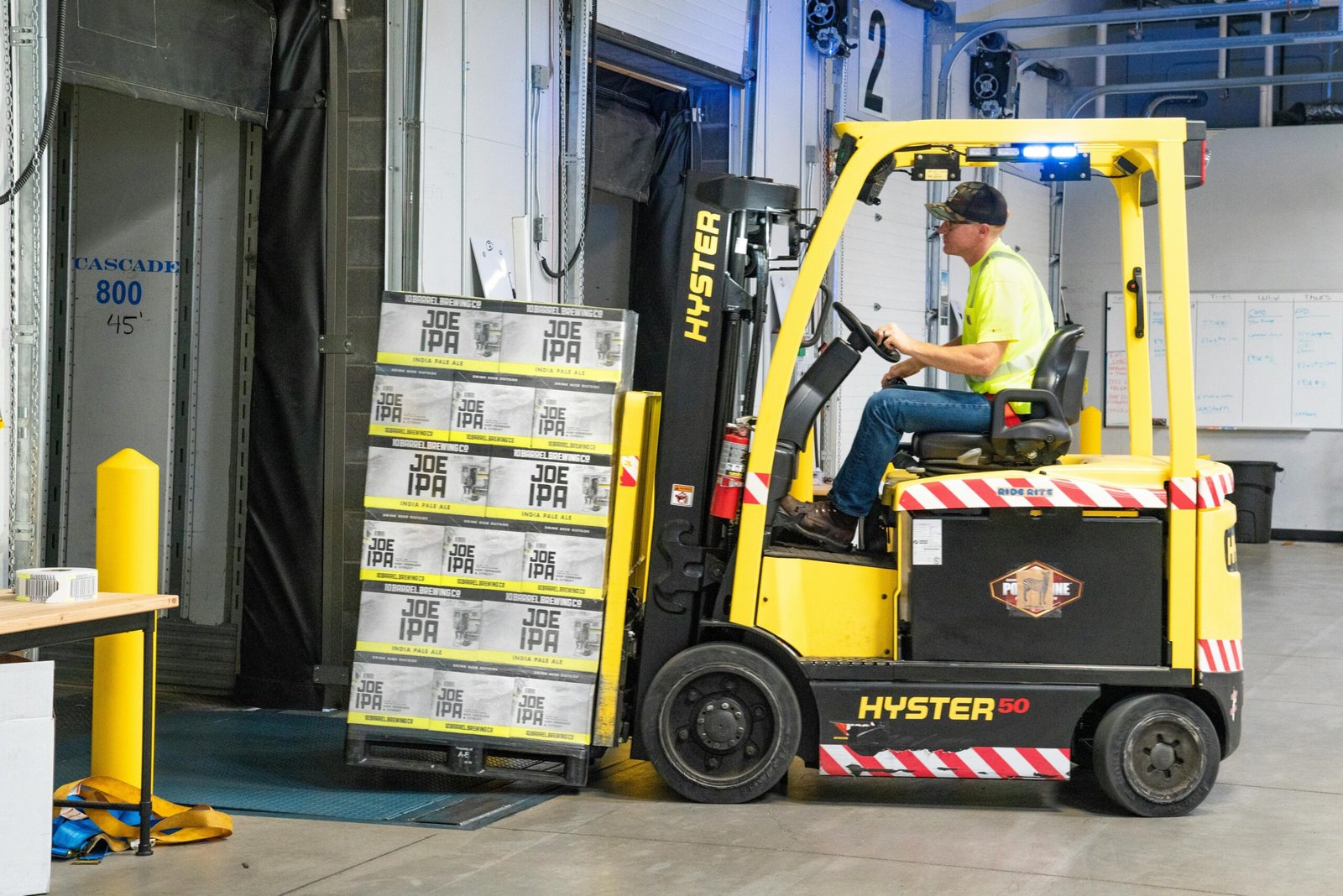
Injuries caused by heavy machinery, forklifts, or pallet jacks
Fatigue-related incidents from long shifts or tight delivery schedules
Exposure to hazardous materials during transportation of chemicals or industrial supplies
Workers’ compensation helps ensure your team is protected — no matter what role they perform within your transportation company.
What Workers’ Compensation Typically Covers
A workers’ compensation policy for transportation businesses generally includes:
Medical Expenses for Work-Related Injuries
Coverage for emergency care, diagnostics, medication, surgeries, ongoing treatment, and specialist visits.
Lost Wage Replacement
Provides partial income when an employee cannot return to work immediately due to an injury.
Temporary or Permanent Disability Benefits
Offers long-term financial support when an injury impacts an employee’s ability to work.
Rehabilitation & Recovery Services
Coverage for physical therapy, occupational rehab, pain management, or counseling needed after an injury.
Legal Liability Protection
Protects the business if an employee claims negligence or files a lawsuit related to a workplace injury.
These benefits help transportation companies maintain stability, protect their workforce, and meet state-required coverage standards.
Who Needs Workers’ Compensation in the Transportation Industry?
This coverage is essential — and often legally required — for a wide range of transportation professionals and organizations, including:
Trucking companies and freight carriers
Delivery and courier services
Logistics and distribution businesses
Taxi companies and rideshare service operators
Fleet managers and contract driving companies
Bus, shuttle, and transit service providers
Moving and hauling services
Auto transport and towing companies
Airport and seaport transportation crews
Dispatch and administrative employees
Any transportation business with employees should carry workers’ compensation to remain compliant and financially protected.
- FAQS
Frequently Asked Questions
We understand that insurance can feel confusing, especially when it involves protecting your employees, tools, and business assets. That’s why we created this detailed FAQ page—to bring clarity, confidence, and peace of mind to Oregon business owners.
Here you’ll find straightforward answers to the most common questions about Workers’ Compensation, General Liability, Business Owner’s Policies (BOP), and Tools & Equipment coverage. Our goal is to help you make fully informed decisions and secure the right protection for your business.
Yes. Any business with employees must carry workers’ compensation, including trucking companies, fleet operators, and logistics service providers.
Absolutely. Road-related injuries are among the most common claims, and workers’ compensation helps cover medical care and lost wages.
Yes. Workers’ compensation protects all employees, including drivers, loaders, mechanics, warehouse teams, and office staff.
Typically yes, as long as the injury occurred while performing work duties. Coverage rules vary by state, but most transportation policies include multi-state support.
Injuries involving forklifts, lifting machinery, pallet jacks, or loading equipment are generally covered.