Worker Compensation Insurance for Electrical Services in Oregon
Why Electrical Services in Oregon Need Worker Compensation Insurance
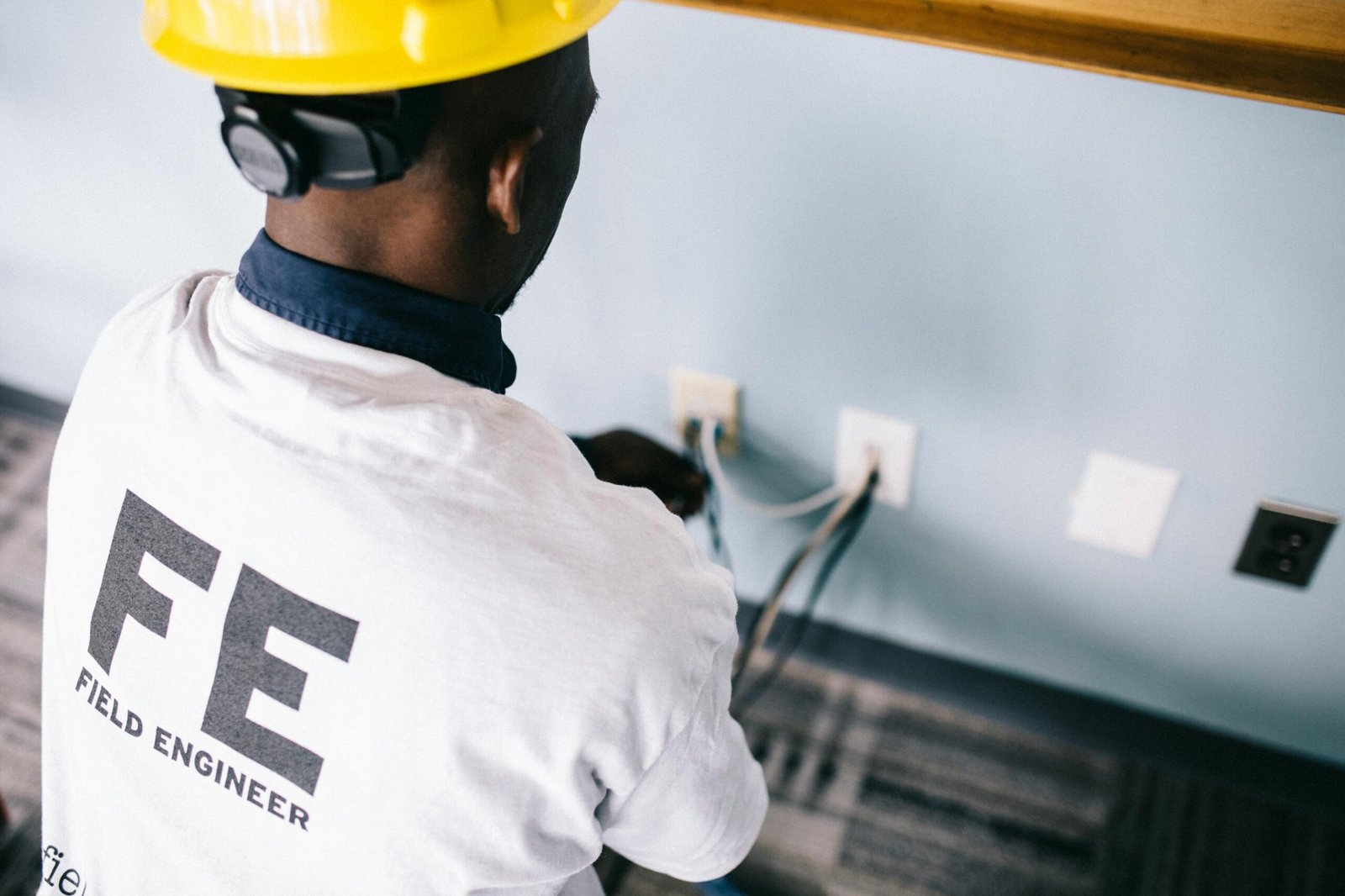
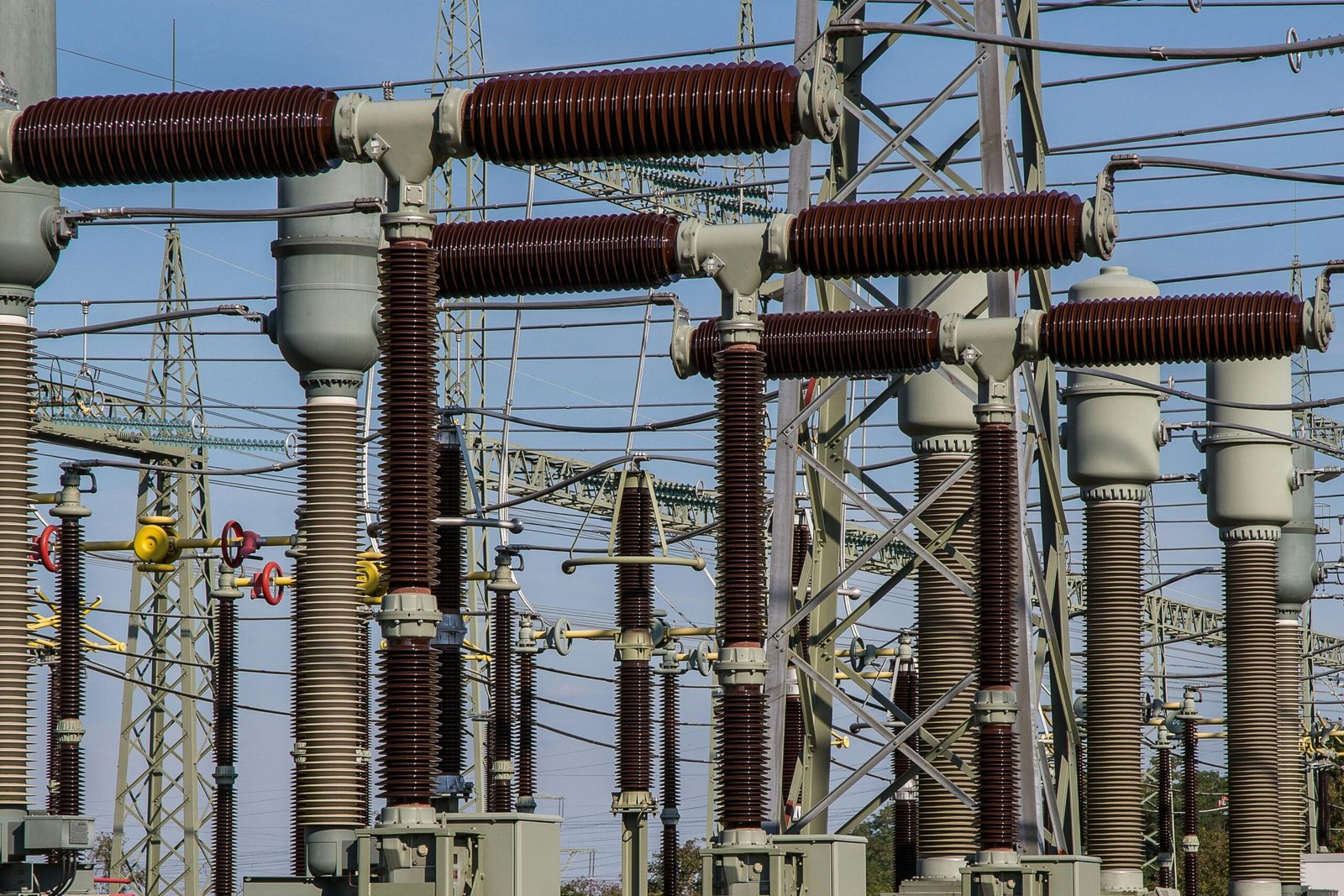
Electrical work exposes technicians to a range of serious risks:
Electric shocks, burns, and arc flashes
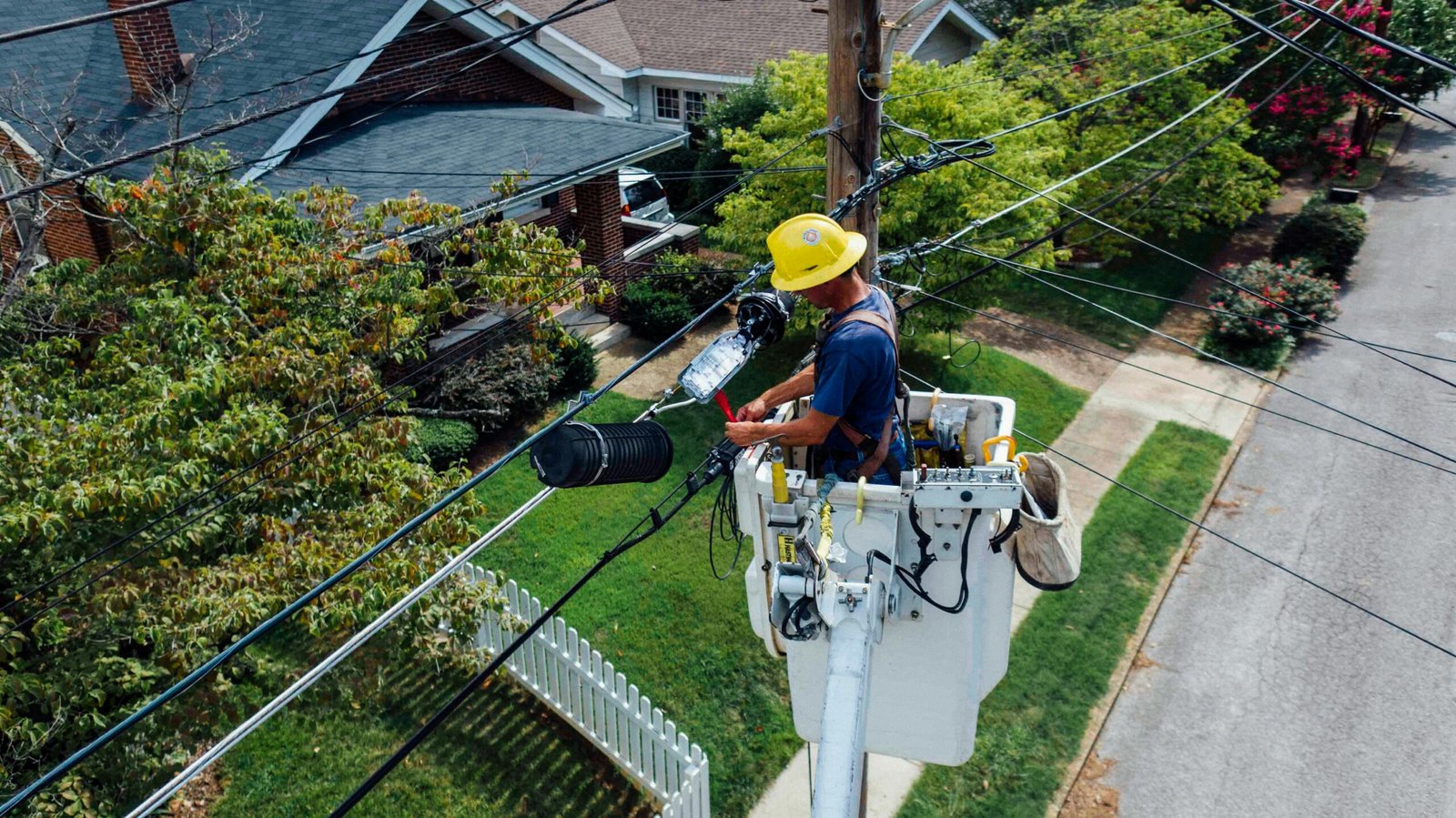
Falls from ladders, lifts, or roofs
Injuries from heavy tools and equipment
Accidents in crawl spaces, attics, and tight areas
Vehicle-related accidents during service calls
Repetitive-motion injuries from daily installations and repairs
Worker Compensation Insurance ensures your business can cover:
Medical treatment
Lost wages during recovery
Ongoing rehabilitation care
Permanent disability benefits
Death benefits for the worker’s family
Without coverage, your business becomes financially responsible for all injury expenses, which can easily exceed tens or hundreds of thousands of dollars.
Benefits of Worker Compensation Insurance for Electrical Service Businesses
Here’s how this insurance directly protects your operation:
✔ Covers Injuries From Electrical Hazards
Electricians face inherent risks—shock, arc flash, burns, and electrocution. Worker’s comp pays for emergency care and long-term treatment.
✔ Protects Against High Liability Costs
One accident without insurance can bankrupt a small electrical business. This coverage shields you from lawsuits and employee claims.
✔ Covers On-Site and Off-Site Jobs
Whether your electricians are working in a home, a commercial building, outdoors, or in a mobile unit, coverage follows them everywhere.
✔ Supports Compliance With Oregon Law
Oregon requires worker’s comp for all businesses with employees. Non-compliance can lead to fines, penalties, and business shutdowns.
✔ Helps You Win Larger Contracts
General contractors often require proof of worker’s comp before hiring subcontractors.
What’s Included in Worker Compensation Insurance for Electrical Services in Oregon
Your policy typically includes:
✔ Medical Expense Coverage
Hospital bills, surgeries, specialist visits, medication, and physical therapy.
✔ Lost Wage Replacement
Workers receive a portion of their income while recovering.
✔ Permanent Disability Benefits
For workers who cannot fully return to electrical work.
✔ Employer Legal Protection
If an employee sues your business, worker’s comp protects you from costly lawsuits.
✔ Coverage for Electrical-Specific Injuries
Electrical shocks
Arc flash burns
Ladder and height-related accidents
Muscle strains from heavy lifting
Tool- and equipment-related injuries
Optional Add-Ons
Coverage for subcontractors
Return-to-work programs
Safety training discounts
Why Choose Us for Electrical Services Worker Compensation Insurance in Oregon
Our agency specializes in policies for high-risk trades like electrical work. With us, you get:
✔ Fast & Accurate Quotes
We understand the correct class codes for Oregon electricians, so you avoid overpaying.
✔ Protection Tailored to Your Work
Whether you handle residential wiring, commercial builds, industrial electrical systems, solar installations, or mobile repairs, we customize your plan.
✔ Affordable Premiums
We compare multiple carriers to find the best price for your business size and risk level.
✔ Support During Claims
If an employee gets hurt, we assist you through the entire claims process so you’re never dealing with paperwork alone.
- FAQS
Frequently Asked Questions
We understand that insurance can feel confusing, especially when it involves protecting your employees, tools, and business assets. That’s why we created this detailed FAQ page—to bring clarity, confidence, and peace of mind to Oregon business owners.
Here you’ll find straightforward answers to the most common questions about Workers’ Compensation, General Liability, Business Owner’s Policies (BOP), and Tools & Equipment coverage. Our goal is to help you make fully informed decisions and secure the right protection for your business.
Yes. Any business with one or more employees must carry worker’s comp by law.
Sole proprietors are not required but can opt in for their own protection. Corporations or LLCs with employees must carry coverage.
Rates depend on risk level, employee count, payroll, and past claims. Electrical work has higher-than-average rates due to the danger involved.
Absolutely — these are among the most common electrical industry claims.
Only if you choose to include them or if the state requires you to treat them as employees. Many general contractors require proof of coverage.