Workers’ Compensation Insurance for Agriculture Businesses in Oregon
Why Workers’ Compensation Matters for Agriculture Businesses in Oregon
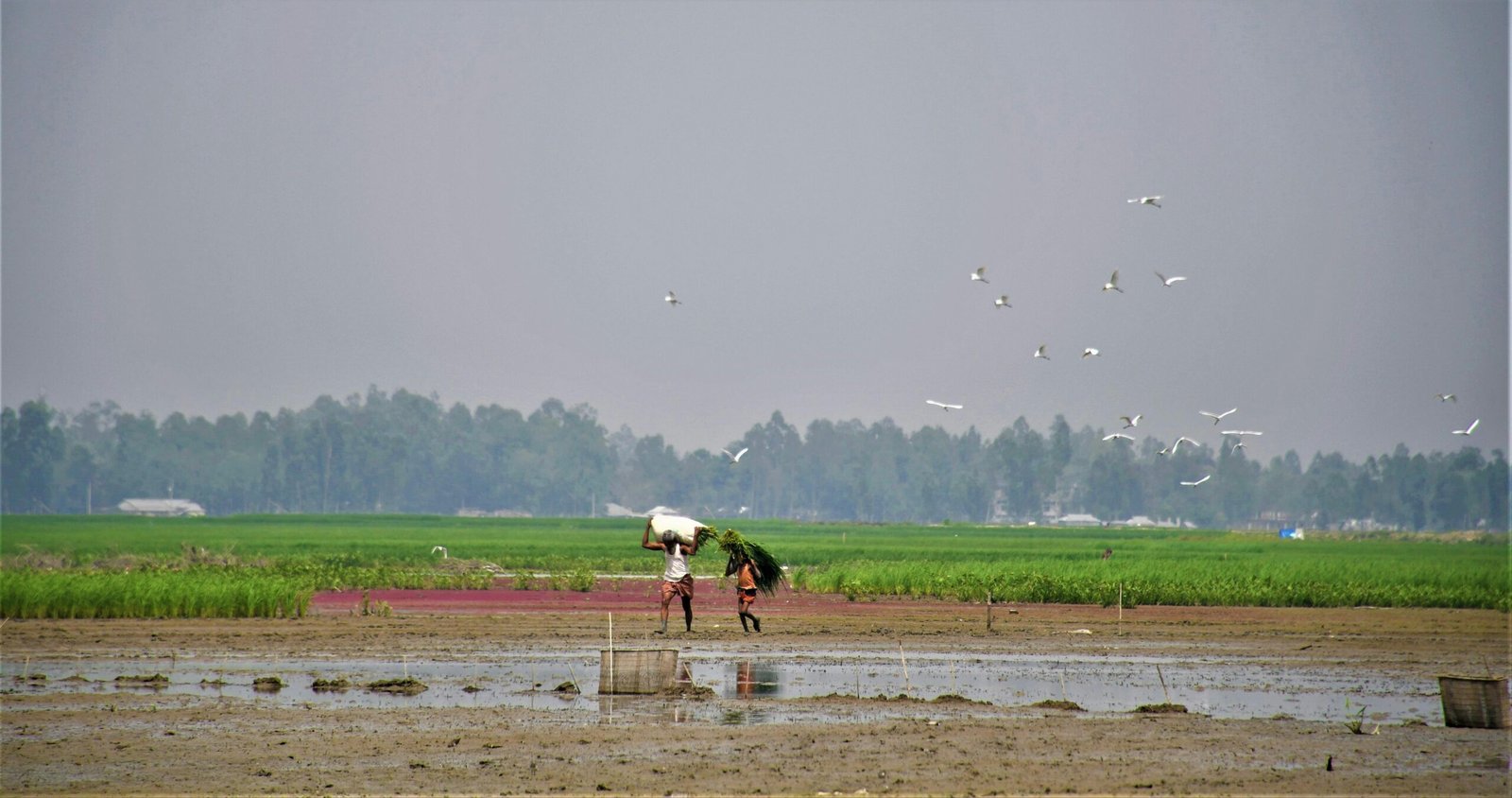
Agriculture work involves demanding physical tasks, long hours, and exposure to environmental hazards. Employees may lift heavy objects, operate tractors and machinery, handle livestock, and work outdoors in extreme weather conditions. Even with strict safety measures, injuries can happen at any time.
Workers’ compensation provides critical protection for your agricultural employees in Oregon, covering medical expenses, lost wages, disability benefits, and rehabilitation costs. It also protects your business from lawsuits and financial loss, ensuring operations continue smoothly even after an employee injury.
Common Injury Risks in Agriculture Businesses in Oregon
Agriculture work exposes employees to various hazards. Common workplace injury risks include:
Muscle strains and back injuries from lifting, bending, and repetitive tasks
Slips, trips, and falls in fields, barns, or uneven terrain
Machinery-related injuries from tractors, harvesters, or other farm equipment
Cuts, lacerations, and puncture wounds from tools, equipment, or farm materials
Livestock-related injuries from animal handling
Chemical exposure to fertilizers, pesticides, herbicides, or cleaning agents
Heat-related illnesses from prolonged outdoor work
Respiratory issues from dust, mold, or allergens in barns or storage areas
Workers’ compensation ensures employees in Oregon receive timely medical care and financial support when these accidents occur.
What Workers’ Compensation Typically Covers for Agriculture Businesses in Oregon
A workers’ compensation policy for agriculture companies generally includes:
Medical Care for Work-Related Injuries
Covers doctor visits, emergency care, diagnostics, surgeries, medications, and follow-up treatment.
Lost Wage Replacement
Provides partial income for employees who cannot work while recovering from an injury.
Temporary or Permanent Disability Benefits
Financial protection for employees who experience long-term impairments affecting their ability to perform agricultural work.
Rehabilitation & Recovery Services
Coverage for physical therapy, occupational therapy, or other recovery programs to help employees return safely to work.
Employer Liability Protection
Protection against claims or lawsuits filed by employees related to work-related injuries.
This coverage keeps agriculture businesses in Oregon compliant, operational, and financially protected.
Who Needs Workers’ Compensation in the Agriculture Industry in Oregon?
Workers’ compensation is essential — and often required — for a wide range of agriculture professionals in Oregon, including:
Crop farmers and field workers
Livestock and dairy farmers
Orchard and vineyard workers
Greenhouse and nursery staff
Irrigation and farm maintenance crews
Agricultural equipment operators
Seasonal farm workers
Farm supervisors and administrative staff
Organic and specialty crop producers
Any agriculture business in Oregon with employees must carry workers’ compensation coverage to remain legally compliant and protected.
- FAQS
Frequently Asked Questions
We understand that insurance can feel confusing, especially when it involves protecting your employees, tools, and business assets. That’s why we created this detailed FAQ page—to bring clarity, confidence, and peace of mind to Oregon business owners.
Here you’ll find straightforward answers to the most common questions about Workers’ Compensation, General Liability, Business Owner’s Policies (BOP), and Tools & Equipment coverage. Our goal is to help you make fully informed decisions and secure the right protection for your business.
Yes. Any agricultural operation with employees in Oregon must carry workers’ compensation coverage.
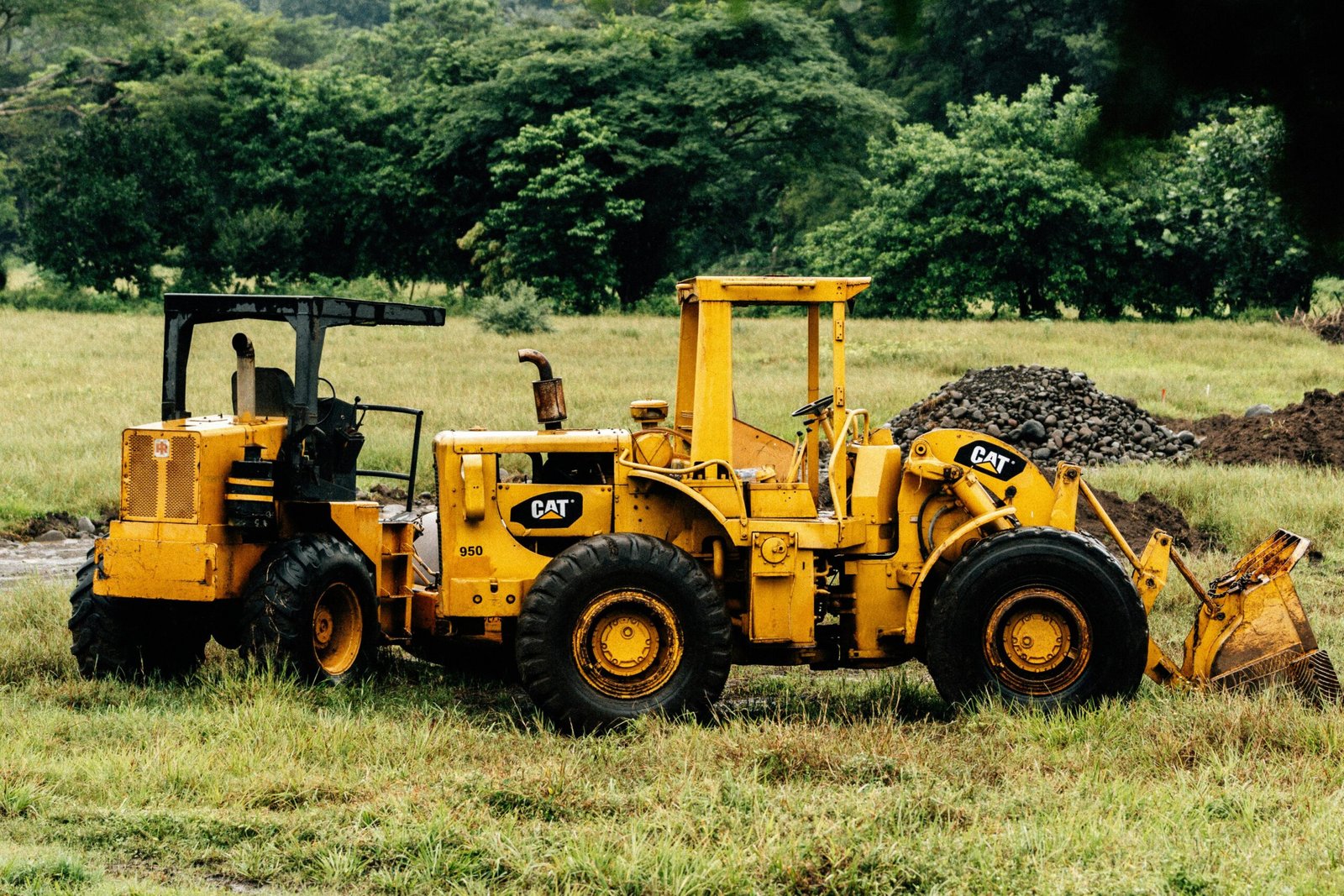
Yes. Tractor, harvester, and other equipment-related injuries are typically included.
Yes. Injuries sustained while handling livestock or farm animals are generally covered.
Yes. Employees, including seasonal or temporary staff, are usually required to be covered.
Yes. Injuries or illnesses caused by fertilizers, pesticides, herbicides, or other chemicals are typically included.