Workers’ Compensation Insurance for Installation Businesses in Oregon
Protecting Oregon’s Installers, Technicians, and Service Crews With Reliable Workers’ Comp Coverage
Installation professionals handle demanding, technical, and often hazardous work environments every day. Whether your business installs flooring, HVAC systems, electrical components, security systems, solar panels, appliances, windows, cabinets, or home fixtures — your crew faces real risks on-site and in the field.
Workers’ Compensation Insurance ensures that your employees are protected from job-related injuries and illnesses, while your business stays compliant and financially safeguarded. For installation companies, this coverage is a crucial part of staying operational, trustworthy, and ready to take on new projects across Oregon.
This page provides comprehensive, long-form content designed specifically for installation businesses throughout the state.
Why Workers’ Compensation Matters for Installation Professionals
Installation work is physically demanding and often unpredictable. Your team works in homes, commercial buildings, warehouses, outdoor environments, and construction sites — each with its own set of risks. Workers’ comp helps protect both your employees and your business when injuries occur.
A workers’ comp policy helps you:
Meet Oregon’s legal requirements for businesses with employees
Protect employees with medical care and wage replacement
Shield your company from costly lawsuits
Maintain credibility with customers and contractors
Reduce financial losses from unexpected injuries
Create a safe and stable work environment for your team
If your installers use tools, climb ladders, move heavy materials, or enter unfamiliar job sites, workers’ comp is essential.
Installation work involves physical labor and constant movement, making injuries more likely. Workers’ compensation provides crucial protection from risks such as:
• Falls From Ladders or Elevated Surfaces
Installers often work at heights, increasing the risk of falls, sprains, fractures, and head injuries.
• Back, Shoulder & Muscle Strains
Lifting appliances, cabinets, flooring bundles, HVAC units, and other heavy materials can cause serious strain.
• Tool & Equipment Accidents
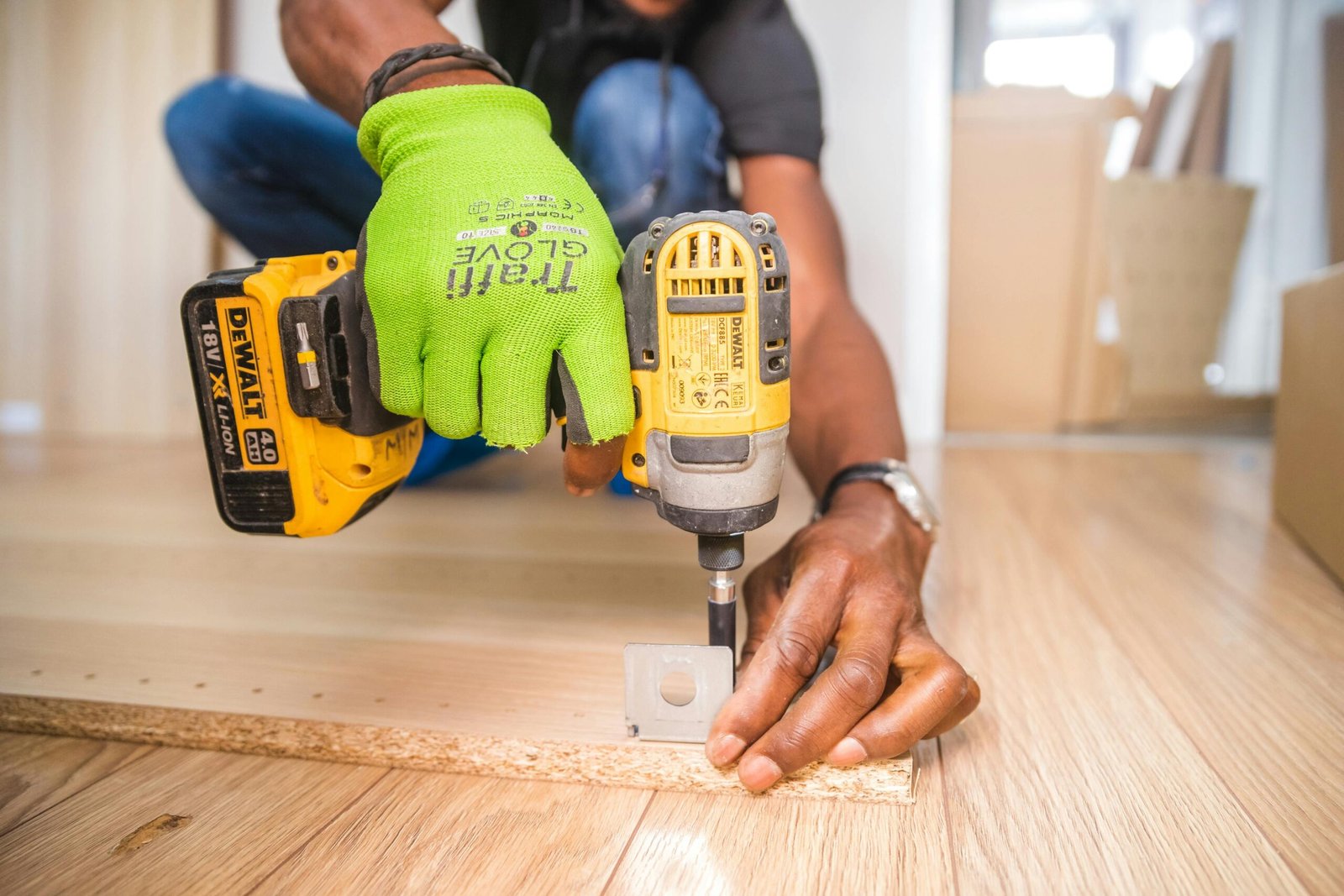
Power tools, saws, drills, and machinery create injury risks, even for skilled technicians.
• Electrical Exposure & Shock
Electricians or anyone installing electrical components can face shock hazards.
• Cuts & Lacerations
Sharp materials — glass, metal, tiles, and tools — contribute to common hand and arm injuries.
• Vehicle-Related Accidents
Driving company vehicles or traveling to job sites is one of the most common sources of claims.
• Slips, Trips & Falls at Job Sites
Uneven surfaces, loose materials, and cluttered workspaces increase hazards.
We understand that insurance can feel confusing, especially when it involves protecting your employees, tools, and business assets. That’s why we created this detailed FAQ page—to bring clarity, confidence, and peace of mind to Oregon business owners. Here you’ll find straightforward answers to the most common questions about Workers’ Compensation, General Liability, Business Owner’s Policies (BOP), and Tools & Equipment coverage. Our goal is to help you make fully informed decisions and secure the right protection for your business.