Workers’ Compensation Insurance for Landscaping Businesses

Why Workers’ Compensation Matters for Landscaping Professionals

Landscaping work involves constant physical activity, exposure to the elements, and the regular use of tools and heavy equipment. Workers’ compensation ensures your employees receive timely care while also protecting your business from expensive claims, lawsuits, or downtime.

In a hands-on industry where employee safety is directly connected to business performance, proper coverage gives you greater stability, credibility, and peace of mind. It demonstrates your commitment to keeping your crew safe — whether they’re maintaining residential lawns or completing large commercial landscaping projects.

Common Injury Risks in the Landscaping Industry

Due to the physical and outdoor nature of landscaping, injury risks are significantly higher than in many other professions. Common hazards include:

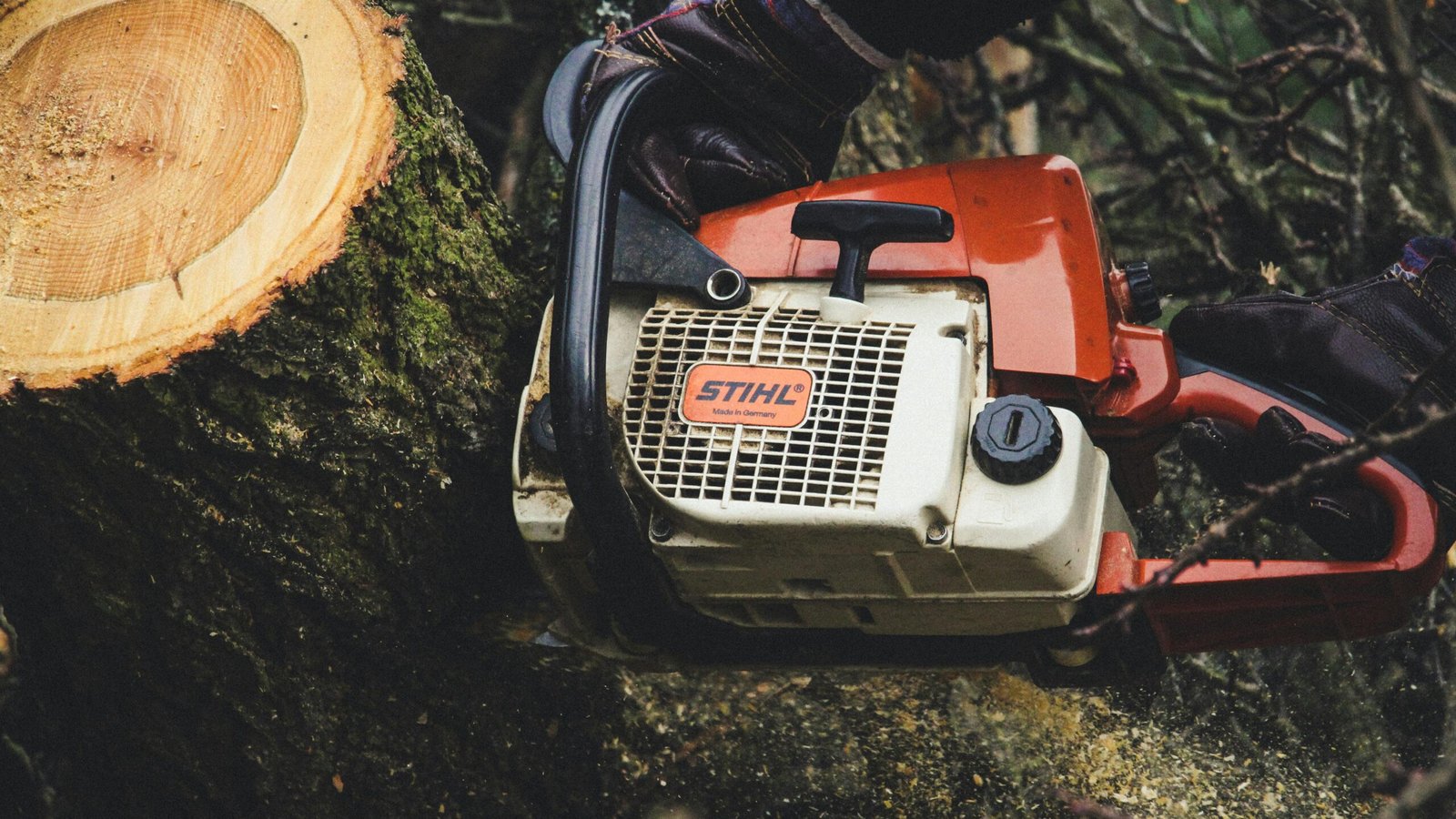
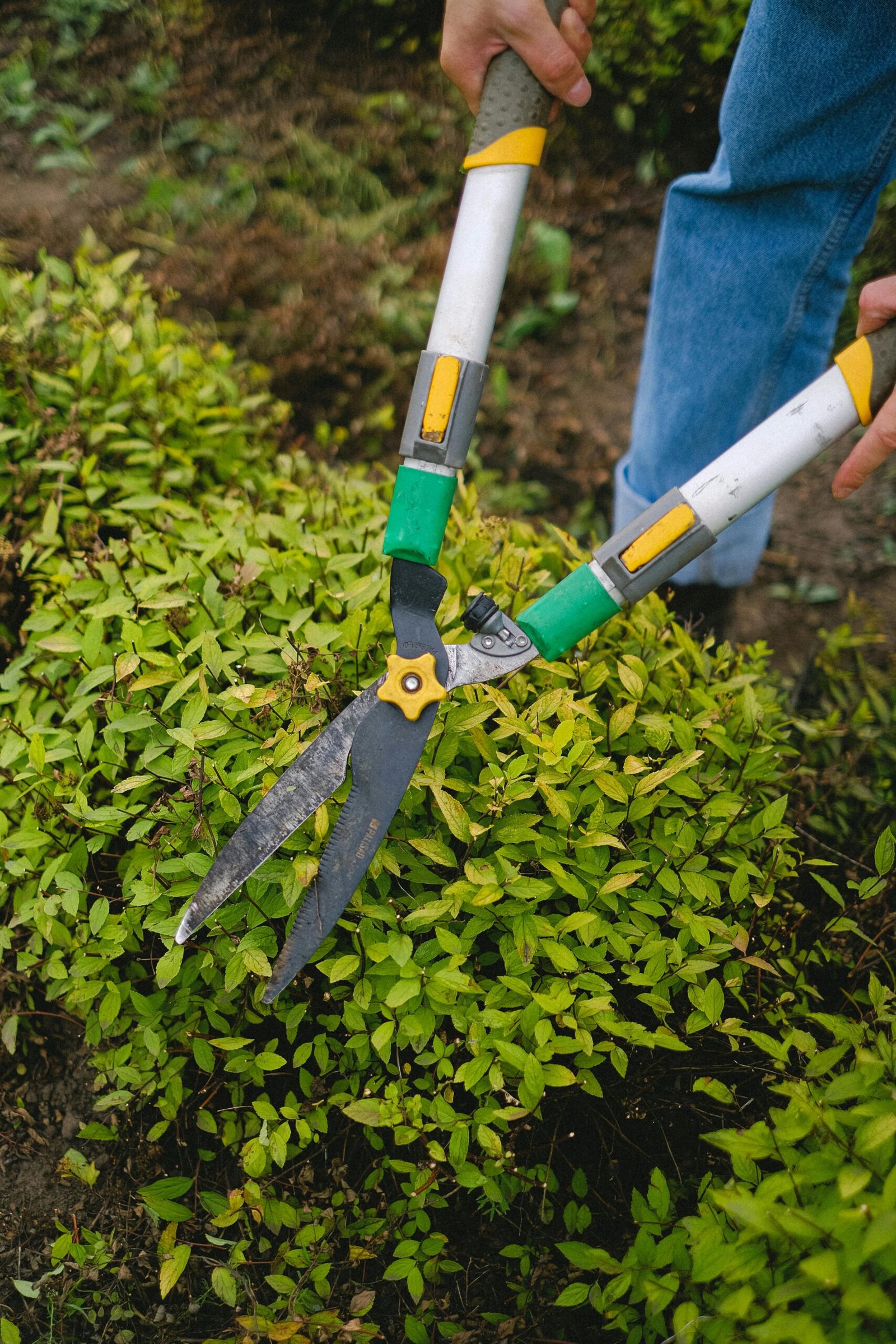
  • Cuts and Lacerations: From chainsaws, trimmers, shears, lawnmowers, and other sharp tools.

  • Strains and Sprains: Frequent bending, lifting bags of soil, moving rocks, and handling equipment can cause musculoskeletal injuries.

  • Heat Stress and Dehydration: Landscapers often work in direct sun and high temperatures.

  • Slip-and-Fall Accidents: Wet grass, uneven terrain, and cluttered job sites contribute to falls.

  • Vehicle and Trailer Incidents: Transporting equipment or moving between jobs can lead to auto-related injuries.

  • Tree-Related Hazards: Tree trimming and removal include falling limbs, climbing risks, and equipment-related dangers.

  • Pesticide and Chemical Exposure: Fertilizers, weed control solutions, and other chemicals can cause skin or respiratory issues.

These risks make workers’ compensation essential to maintaining a safe and operational landscaping business.

What Workers’ Compensation Covers for Landscaping Companies

  • Workers’ comp provides comprehensive protection for both employees and business owners, including:

    • Medical Costs: Emergency care, hospital treatment, therapy, medication, and long-term rehabilitation.

    • Lost Wage Replacement: Partial wage payments while injured employees recover.

    • Disability Benefits: Coverage for temporary or permanent disability resulting from workplace accidents.

    • Ongoing Recovery Support: Physical therapy, occupational rehabilitation, and return-to-work programs.

    • Employer Liability Protection: Helps shield business owners from lawsuits tied to work-related injuries.

    This coverage ensures your employees receive proper care while keeping your business financially secure.

Who Needs Workers’ Compensation in the Landscaping Industry?

Workers’ compensation is necessary and often legally required for:

  • Lawn care professionals

  • Landscapers and groundskeepers

  • Hardscape and paver installers

  • Tree service and arborist teams

  • Irrigation and sprinkler installers

  • Snow removal crews

  • Landscape designers who supervise field teams

  • Nursery and plant installation workers

  • Foremen, supervisors, and seasonal laborers

If your business hires full-time, part-time, or seasonal employees, workers’ comp is essential.

  • FAQS

Frequently Asked Questions

We understand that insurance can feel confusing, especially when it involves protecting your employees, tools, and business assets. That’s why we created this detailed FAQ page—to bring clarity, confidence, and peace of mind to Oregon business owners.
Here you’ll find straightforward answers to the most common questions about Workers’ Compensation, General Liability, Business Owner’s Policies (BOP), and Tools & Equipment coverage. Our goal is to help you make fully informed decisions and secure the right protection for your business.

Landscaping is classified as a higher-risk industry due to physical labor, equipment use, and outdoor conditions. Rates reflect this increased exposure.
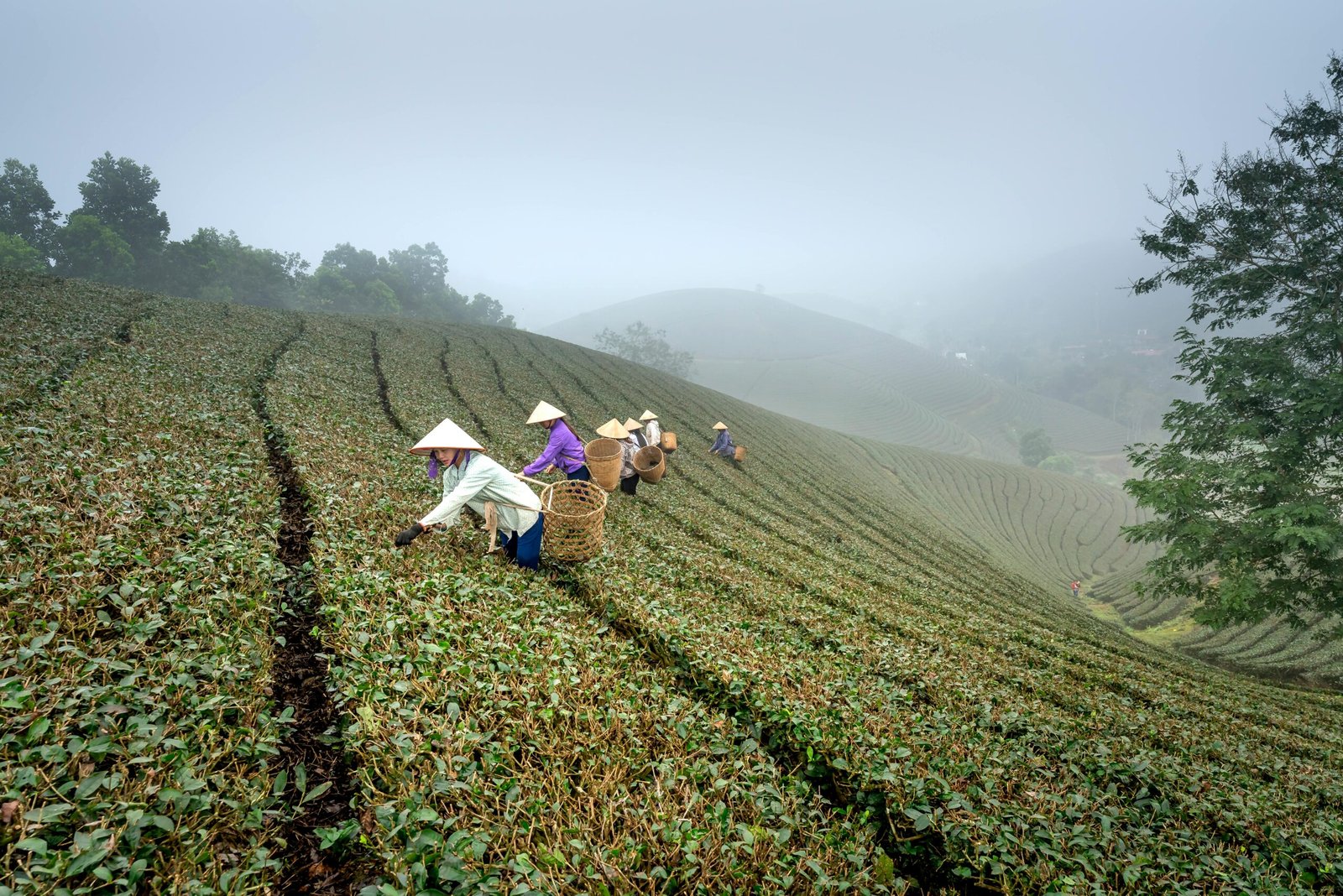
 

Yes. Seasonal, temporary, and part-time workers typically require the same level of coverage as full-time employees.


Yes. Heat exhaustion, dehydration, and sun-related injuries occurring during work duties are generally covered.


Yes. Tree services are among the highest-risk landscaping roles, making workers’ comp essential.


Injuries that occur during work-related travel are usually covered by workers’ compensation.


Scroll to Top