Workers’ Compensation Insurance for Lawn Care Businesses in Oregon
Why Workers’ Compensation Matters for Lawn Care Businesses in Oregon
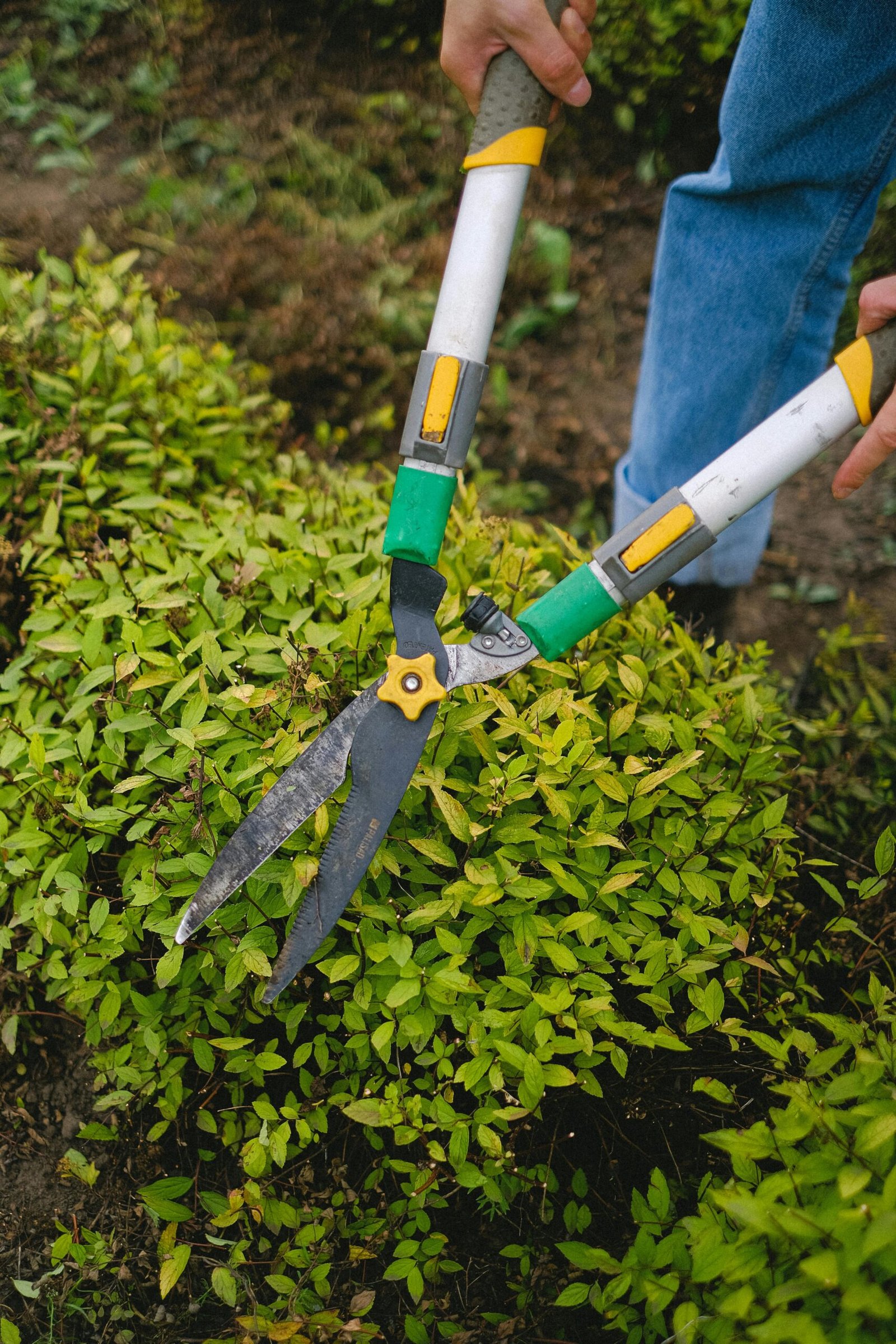
Lawn care professionals frequently perform physically intensive tasks such as lifting, bending, mowing, trimming, and carrying heavy equipment. Employees may also be exposed to sun, heat, and chemicals, or face hazards while driving between job sites. Even with safety protocols, injuries can occur unexpectedly.
Workers’ compensation provides crucial protection by covering medical expenses, lost wages, rehabilitation services, and disability benefits. It also safeguards your lawn care business in Oregon from lawsuits, fines, and financial losses, ensuring your operations can continue without interruption.
What Workers’ Compensation Typically Covers for Lawn Care Businesses in Oregon
A workers’ compensation policy for lawn care businesses generally includes:
Medical Expenses for Work-Related Injuries
Coverage for doctor visits, emergency care, diagnostics, surgery, medications, and follow-up treatment.
Lost Wage Replacement
Partial income for employees who cannot work while recovering from a job-related injury.
Temporary or Permanent Disability Benefits
Financial support for employees who suffer injuries impacting their ability to perform their work.
Rehabilitation & Recovery Services
Coverage for physical therapy, occupational therapy, or other recovery programs to help employees return to work safely.
Employer Liability Protection
Protection from lawsuits or claims arising from employee injuries, keeping your business financially secure.
This comprehensive coverage ensures your lawn care business in Oregon is prepared for workplace risks while maintaining a safe and supportive work environment.
We understand that insurance can feel confusing, especially when it involves protecting your employees, tools, and business assets. That’s why we created this detailed FAQ page—to bring clarity, confidence, and peace of mind to Oregon business owners. Here you’ll find straightforward answers to the most common questions about Workers’ Compensation, General Liability, Business Owner’s Policies (BOP), and Tools & Equipment coverage. Our goal is to help you make fully informed decisions and secure the right protection for your business.