Workers’ Compensation Insurance for Personal Care Businesses

Why Workers’ Compensation Matters for Personal Care Professionals

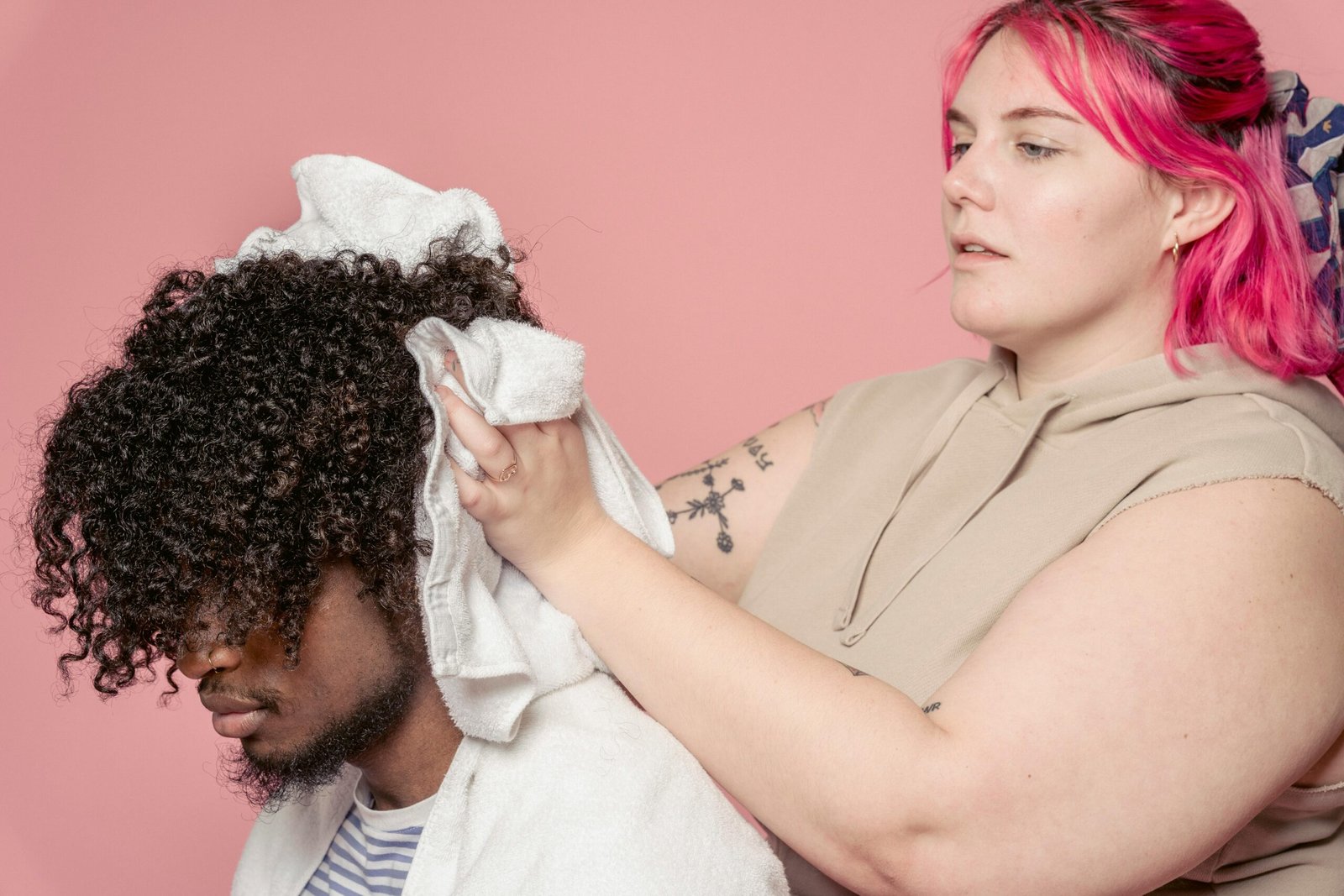
Personal care work is physically and emotionally demanding. Employees often assist clients with mobility, bathing, lifting, or transferring, and they may handle chemicals, cleaning products, or medical equipment. Even in home-based or small facilities, injuries can occur.

Workers’ compensation ensures employees are taken care of in the event of injury, while protecting the business from potential liability. It demonstrates your commitment to employee safety, improves staff retention, and maintains operational stability.

Common Injury Risks in the Personal Care Industry

Personal care professionals encounter a variety of workplace risks, including:

  • Lifting and Transfer Injuries: Assisting clients with mobility can result in back, shoulder, and joint injuries.

  • Slips and Falls: Wet floors, uneven surfaces, and clutter in clients’ homes or facilities pose hazards.

  • Repetitive Strain Injuries: Tasks like grooming, bathing, and administering care can cause repetitive motion issues.

  • Exposure to Infectious Diseases: Close contact with clients may involve exposure to illnesses.

  • Chemical Hazards: Cleaning products, disinfectants, and personal care chemicals can cause skin or respiratory issues.

  • Vehicle and Travel Accidents: Staff traveling between client homes may face road risks.

  • Stress-Related Conditions: High workloads, emotional stress, and client care challenges can impact health.

Workers’ compensation coverage helps manage these risks and ensures staff receive proper treatment and support.

What Workers’ Compensation Covers for Personal Care Businesses

  • A robust workers’ comp policy provides comprehensive protection, including:

    • Medical Expenses: Doctor visits, hospital care, therapy, medications, and long-term rehabilitation.

    • Lost Wage Replacement: Partial wage compensation while an employee recovers from work-related injuries.

    • Disability Benefits: Temporary or permanent disability coverage due to workplace incidents.

    • Rehabilitation & Return-to-Work Support: Physical therapy and programs to safely return employees to work.

    • Employer Liability Protection: Shields your business from lawsuits tied to employee injuries.

    This coverage ensures employees are supported and your business remains financially secure.

Who Needs Workers’ Compensation in the Personal Care Industry?

Workers’ compensation is necessary for:

  • Home care aides and personal assistants

  • Assisted living staff

  • Elder care professionals

  • Massage therapists, cosmetologists, and spa staff

  • Health and wellness coaches employed by agencies

  • Administrative personnel in personal care facilities

  • Mobile caregivers traveling to client homes

All personal care businesses, from solo operators to large agencies, benefit from carrying workers’ compensation insurance.

  • FAQS

Frequently Asked Questions

We understand that insurance can feel confusing, especially when it involves protecting your employees, tools, and business assets. That’s why we created this detailed FAQ page—to bring clarity, confidence, and peace of mind to Oregon business owners.
Here you’ll find straightforward answers to the most common questions about Workers’ Compensation, General Liability, Business Owner’s Policies (BOP), and Tools & Equipment coverage. Our goal is to help you make fully informed decisions and secure the right protection for your business.
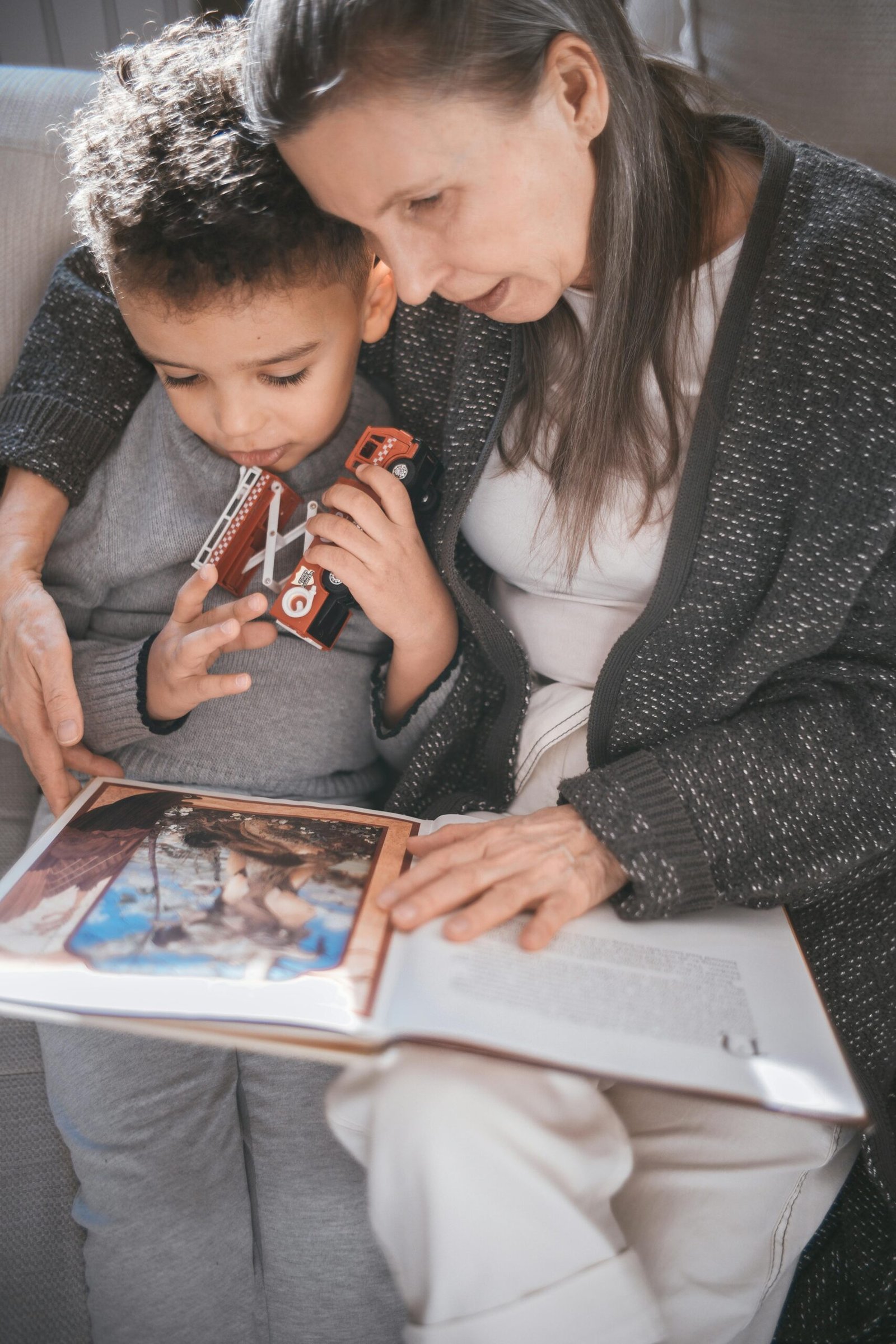

Yes. Workers’ compensation covers injuries that occur while performing work-related tasks, including client assistance.


Yes. Injuries occurring during work-related travel are generally included in workers’ compensation policies.


Yes. Part-time, temporary, and seasonal employees typically require coverage.


Yes. Work-related stress or injuries caused by repetitive physical tasks may be covered, depending on state rules.


Yes. These are among the most common claims in the personal care industry and are generally covered.


Scroll to Top