Workers’ Compensation Insurance for Photo & Video Businesses
Why Workers’ Compensation Matters for Photo & Video Professionals
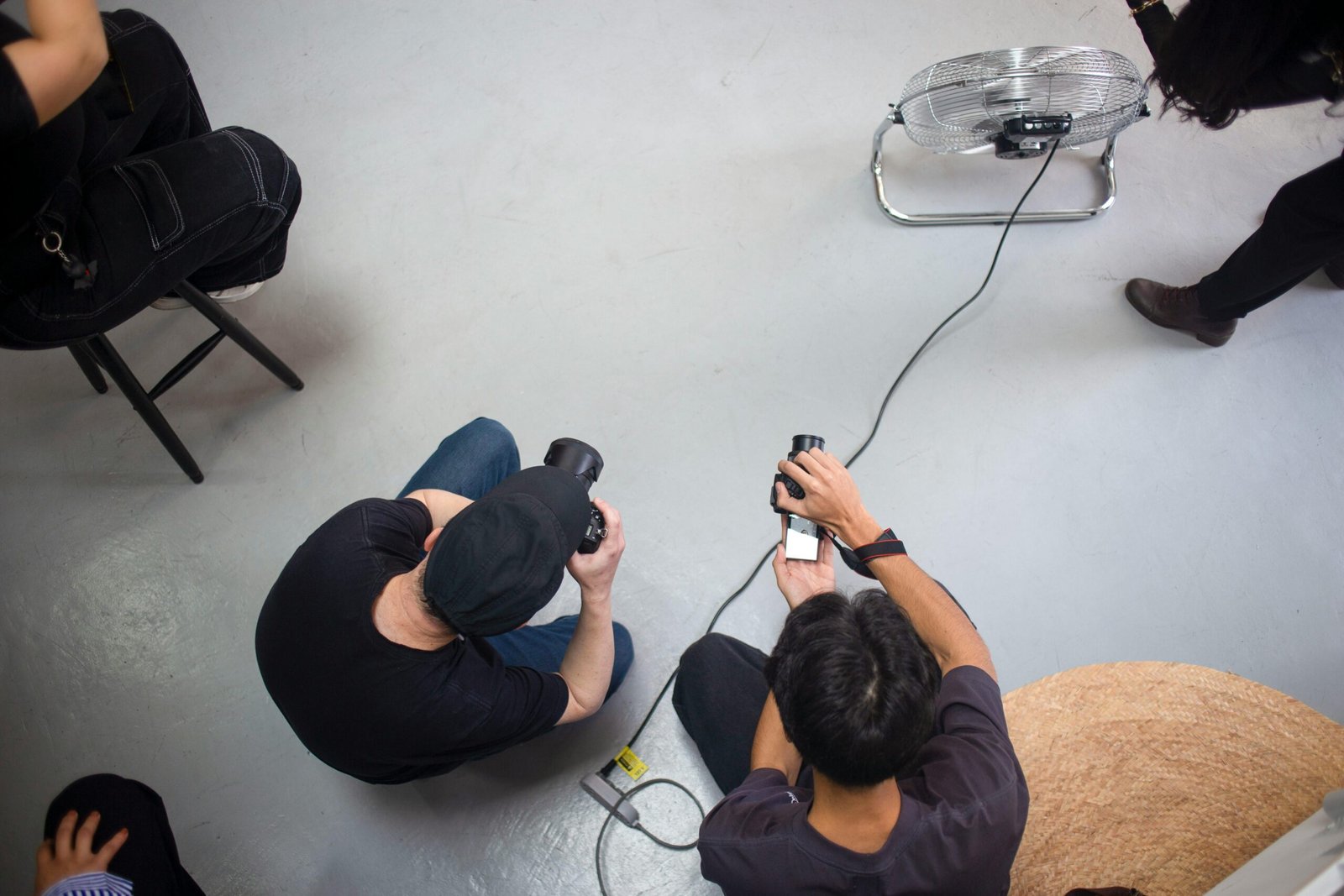
Photo and video professionals regularly handle cameras, lighting rigs, audio equipment, and props — often in fast-paced, unpredictable environments. Injuries can occur from lifting heavy gear, tripping over cables, falling on set, or travel-related accidents. Workers’ compensation ensures that employees receive prompt medical care and wage replacement while protecting your business from costly lawsuits or claims.
Having coverage also strengthens your business reputation, promotes employee confidence, and ensures uninterrupted production schedules — critical in an industry that depends on creativity, timeliness, and reliability.
Common Injury Risks in Photo & Video Work
Photo and video employees face several occupational hazards, including:
Lifting & Equipment Injuries: Cameras, tripods, lighting rigs, and heavy props can cause back, shoulder, and wrist injuries.
Slip-and-Fall Hazards: Cables, uneven terrain, and wet surfaces on shoots increase fall risks.
Repetitive Motion Injuries: Editing, retouching, and long hours at computers can lead to tendonitis or carpal tunnel.
Travel-Related Accidents: Driving to locations or transporting equipment poses vehicle-related hazards.
On-Location Environmental Risks: Outdoor shoots may involve uneven terrain, stairs, or adverse weather conditions.
Stress and Fatigue: Tight deadlines, event coverage, and long hours contribute to both physical and mental strain.
Electrical and Technical Hazards: Using lighting, electrical setups, or drones carries risk of shock or injury.
Workers’ compensation ensures employees are covered for these risks while maintaining a safe working environment.
What Workers’ Compensation Covers for Photo & Video Businesses
A comprehensive workers’ comp policy includes:
Medical Care: Emergency treatment, doctor visits, hospitalization, therapy, and rehabilitation.
Lost Wage Replacement: Partial income support while employees recover from work-related injuries.
Disability Benefits: Temporary or permanent disability coverage due to workplace incidents.
Rehabilitation & Return-to-Work Programs: Support for employees returning to work safely.
Employer Liability Protection: Shields your business from lawsuits related to workplace injuries.
This coverage helps photo and video businesses operate efficiently while safeguarding employees and financial stability.
Who Needs Workers’ Compensation in Photo & Video Businesses?
Workers’ compensation is necessary for:
Photographers and videographers
Editors and post-production staff
Studio assistants and production crew
Drone operators and technical staff
Event coverage and on-location teams
Lighting and audio technicians
Administrative and support staff
No matter the size of the business — from solo operators to larger production companies — workers’ compensation coverage is essential.
- FAQS
Frequently Asked Questions
We understand that insurance can feel confusing, especially when it involves protecting your employees, tools, and business assets. That’s why we created this detailed FAQ page—to bring clarity, confidence, and peace of mind to Oregon business owners.
Here you’ll find straightforward answers to the most common questions about Workers’ Compensation, General Liability, Business Owner’s Policies (BOP), and Tools & Equipment coverage. Our goal is to help you make fully informed decisions and secure the right protection for your business.
Yes. Injuries that occur during work-related tasks at client sites or on-location shoots are generally covered.
Yes. Injuries from lifting cameras, lighting, props, or other equipment are typically included.
Workers’ compensation usually covers employees, including part-time and temporary staff. Independent contractors may be excluded unless classified as employees.
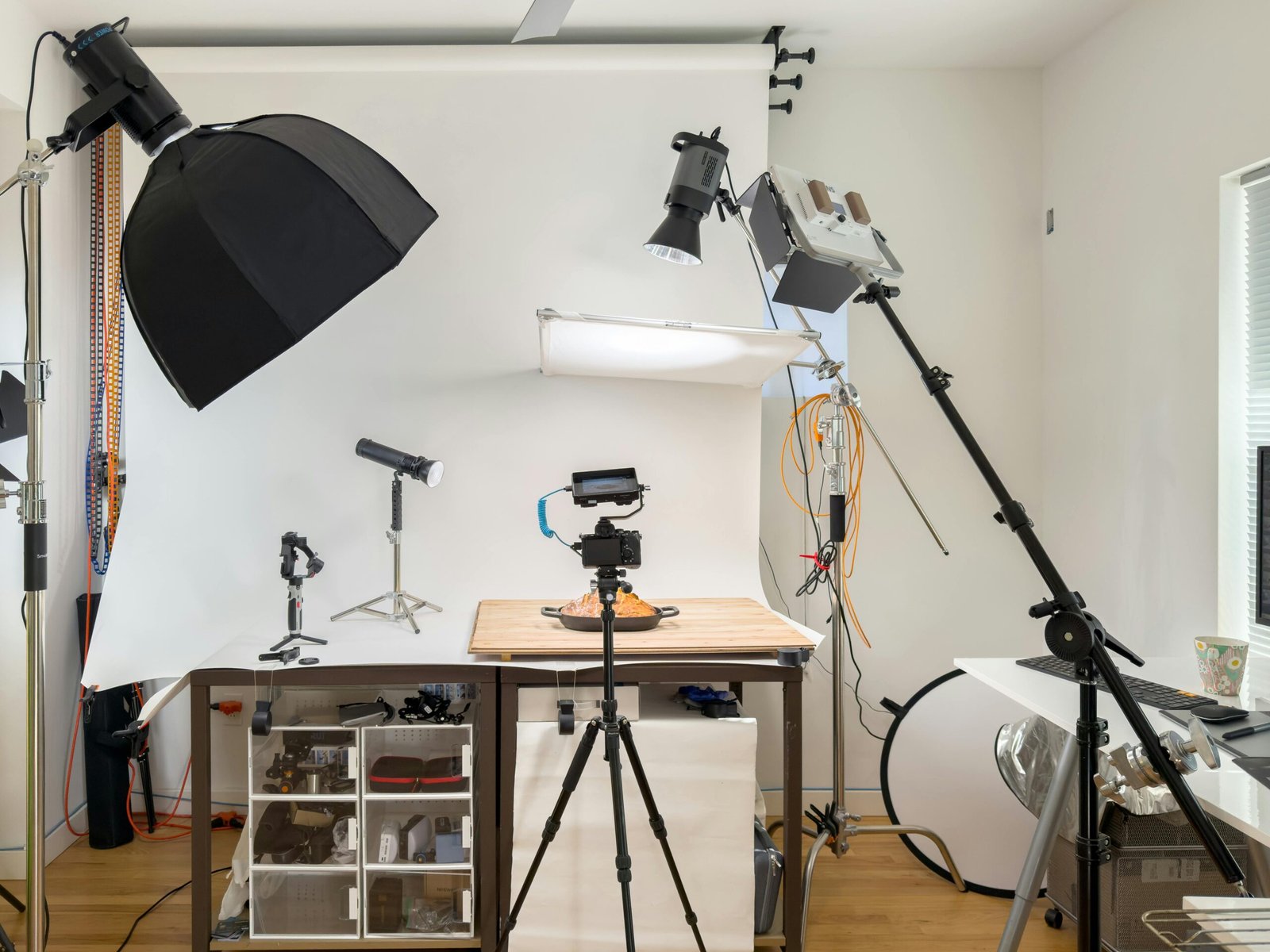
Yes. Work-related injuries caused by repetitive computer tasks are commonly covered.
Yes. Accidents occurring during work-related travel, including transporting equipment, are generally included.