Workers’ Compensation Insurance for Retail Businesses

Why Workers’ Compensation Matters for Retail Businesses

Retail workers manage a wide range of tasks — stocking shelves, organizing displays, operating registers, interacting with customers, and maintaining store cleanliness. These responsibilities expose them to various risks, including slips, lifting injuries, and repetitive strain. Workers’ compensation ensures injured employees receive prompt medical care and financial support while protecting your business from lawsuits or penalties.

Investing in comprehensive workers’ comp coverage also improves employee morale, strengthens your reputation, and helps maintain uninterrupted store operations.

Common Injury Risks in the Retail Industry

Retail employees face multiple types of workplace hazards, such as:

  • Slip-and-Fall Accidents: Wet floors, spills, or cluttered aisles can cause serious injuries.

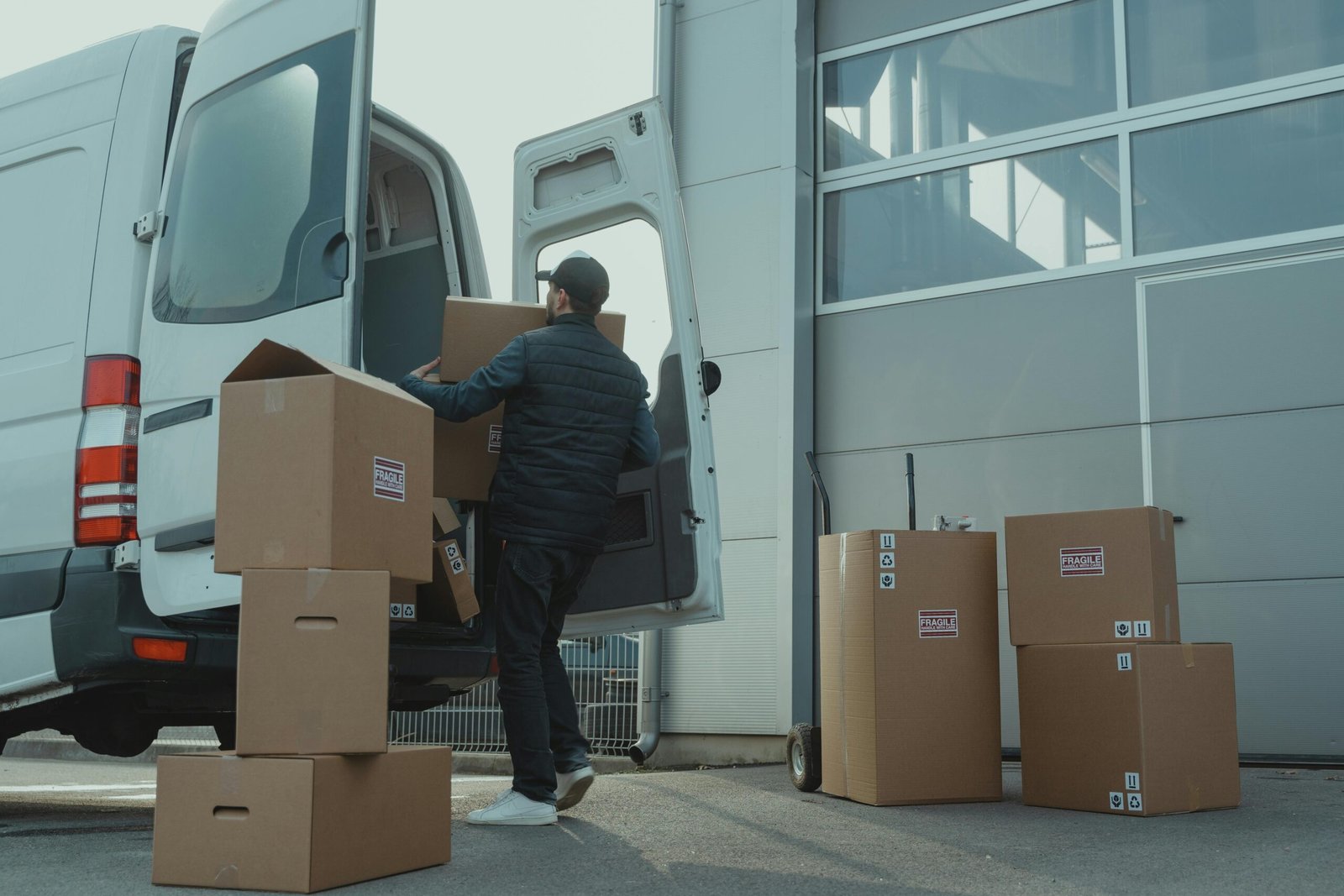
  • Lifting and Stocking Injuries: Moving boxes, carrying inventory, and stocking shelves can lead to back, shoulder, and knee injuries.

  • Repetitive Motion Strain: Scanning items, folding clothes, or handling small tasks repeatedly may cause tendonitis or carpal tunnel syndrome.

  • Customer-Related Incidents: Employees may be injured during customer interactions or confrontations.

  • Falling Objects: Improperly stacked merchandise or elevated storage can pose falling hazards.

  • Cuts and Bruises: Handling box cutters, packaging, and sharp objects can cause minor injuries.

  • Trip Hazards: Loose mats, cords, and uneven flooring can lead to common trip-and-fall accidents.

  • Stress and Fatigue: Long shifts, high customer volume, and holiday rush periods contribute to stress-related injuries.

Workers’ compensation ensures that employees are protected from these common risks and your business is secured financially.

What Workers’ Compensation Covers for Retail Businesses

  • A strong workers’ compensation policy includes essential protections such as:

    • Medical Treatment: Doctor visits, emergency care, surgery, therapy, prescriptions, and recovery support.

    • Lost Wage Replacement: Partial wage coverage for employees unable to work due to a job-related injury.

    • Disability Benefits: Compensation for temporary or permanent disability caused by a workplace incident.

    • Rehabilitation & Return-to-Work Support: Programs to help employees recover and return to their duties safely.

    • Employer Liability Protection: Legal protection against claims or lawsuits involving employee injuries.

    This coverage safeguards retail employees while protecting business owners from unexpected financial burdens.

Who Needs Workers’ Compensation in the Retail Industry?

Workers’ comp is essential for all types of retail positions, including:

  • Cashiers and sales associates

  • Stockers and inventory staff

  • Store managers and supervisors

  • Customer service representatives

  • Shipping and receiving personnel

  • Merchandisers and display staff

  • Warehouse and backroom team members

  • Delivery or in-store pickup staff

  • Seasonal and temporary workers

No matter the size or type of retail establishment, workers’ compensation is vital for both compliance and operational stability.

  • FAQS

Frequently Asked Questions

We understand that insurance can feel confusing, especially when it involves protecting your employees, tools, and business assets. That’s why we created this detailed FAQ page—to bring clarity, confidence, and peace of mind to Oregon business owners.
Here you’ll find straightforward answers to the most common questions about Workers’ Compensation, General Liability, Business Owner’s Policies (BOP), and Tools & Equipment coverage. Our goal is to help you make fully informed decisions and secure the right protection for your business.
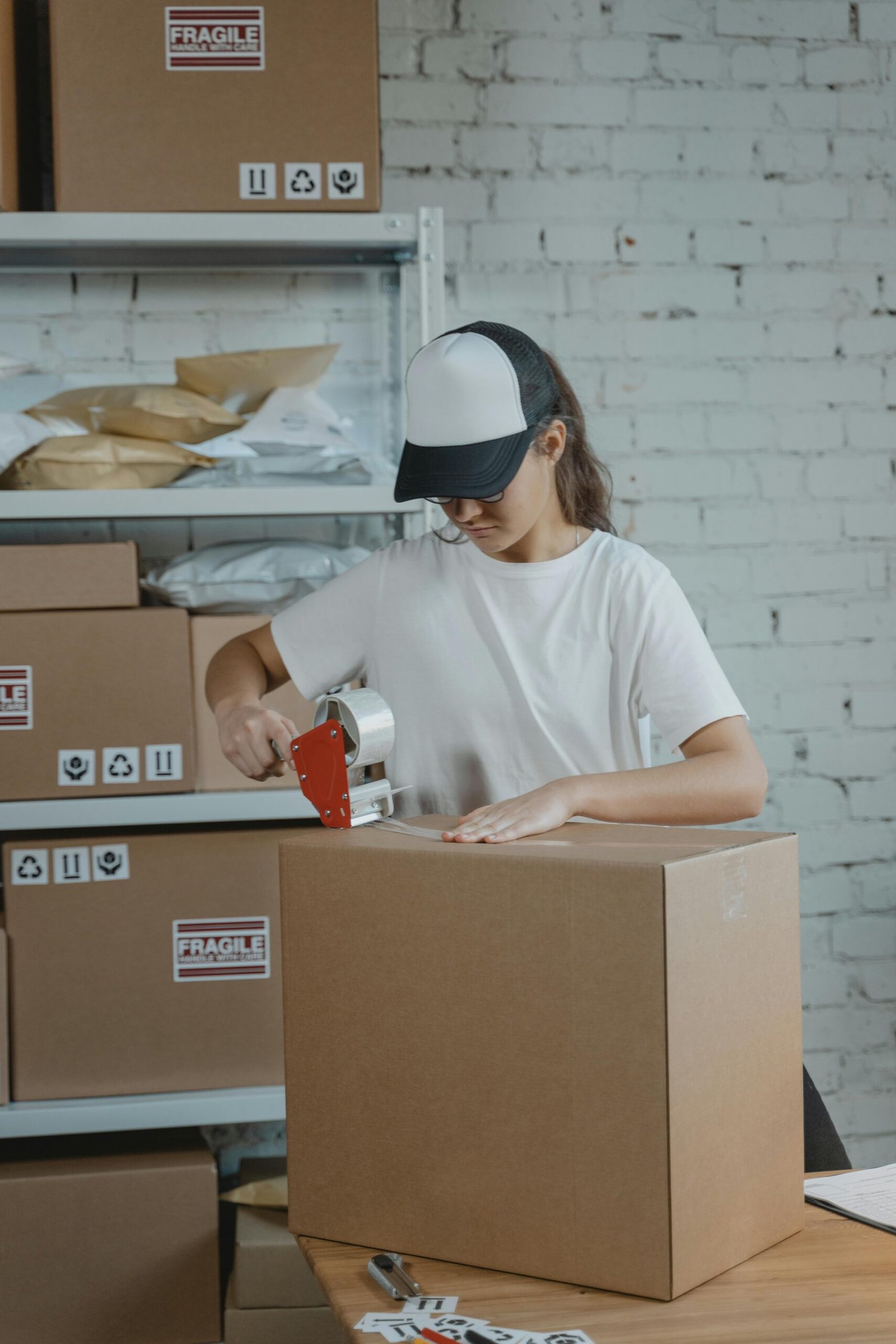

Yes. Lifting and stocking injuries are typically covered under workers’ compensation.


Absolutely. Slip-and-fall incidents are among the most common retail claims and are generally included.


Yes. Most states require coverage for seasonal and part-time employees.


Yes. Repetitive tasks that lead to injury are generally covered.


Yes. Injuries that occur while handling inventory or receiving shipments are typically included.


Scroll to Top