Workers’ Compensation Insurance for Tree Service Businesses in Oregon
Why Workers’ Compensation Matters for Tree Service Businesses in Oregon
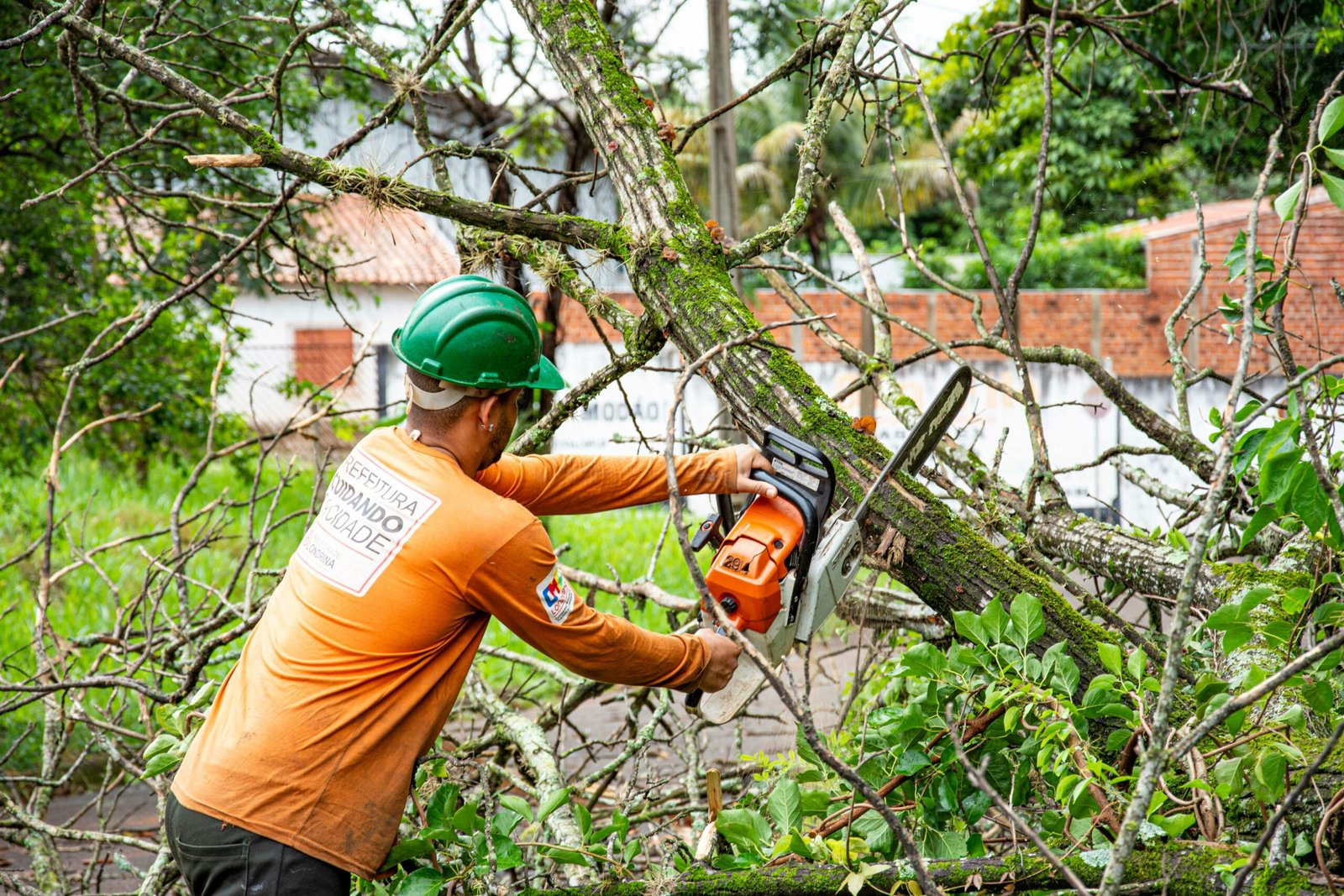
Tree service work involves physically demanding and high-risk tasks, including climbing, lifting, operating chainsaws, and handling heavy branches and debris. Even with strict safety protocols, accidents can happen quickly. Employees may suffer falls, cuts, punctures, or strain injuries while performing their duties.
Workers’ compensation provides essential protection by covering medical expenses, lost wages, disability benefits, and rehabilitation services. It also shields tree service businesses in Oregon from potential lawsuits and financial strain, ensuring operations can continue safely even after an employee injury.
Common Injury Risks in Tree Service Work in Oregon
Tree service employees face many hazards due to the nature of the work. Common workplace injury risks include:
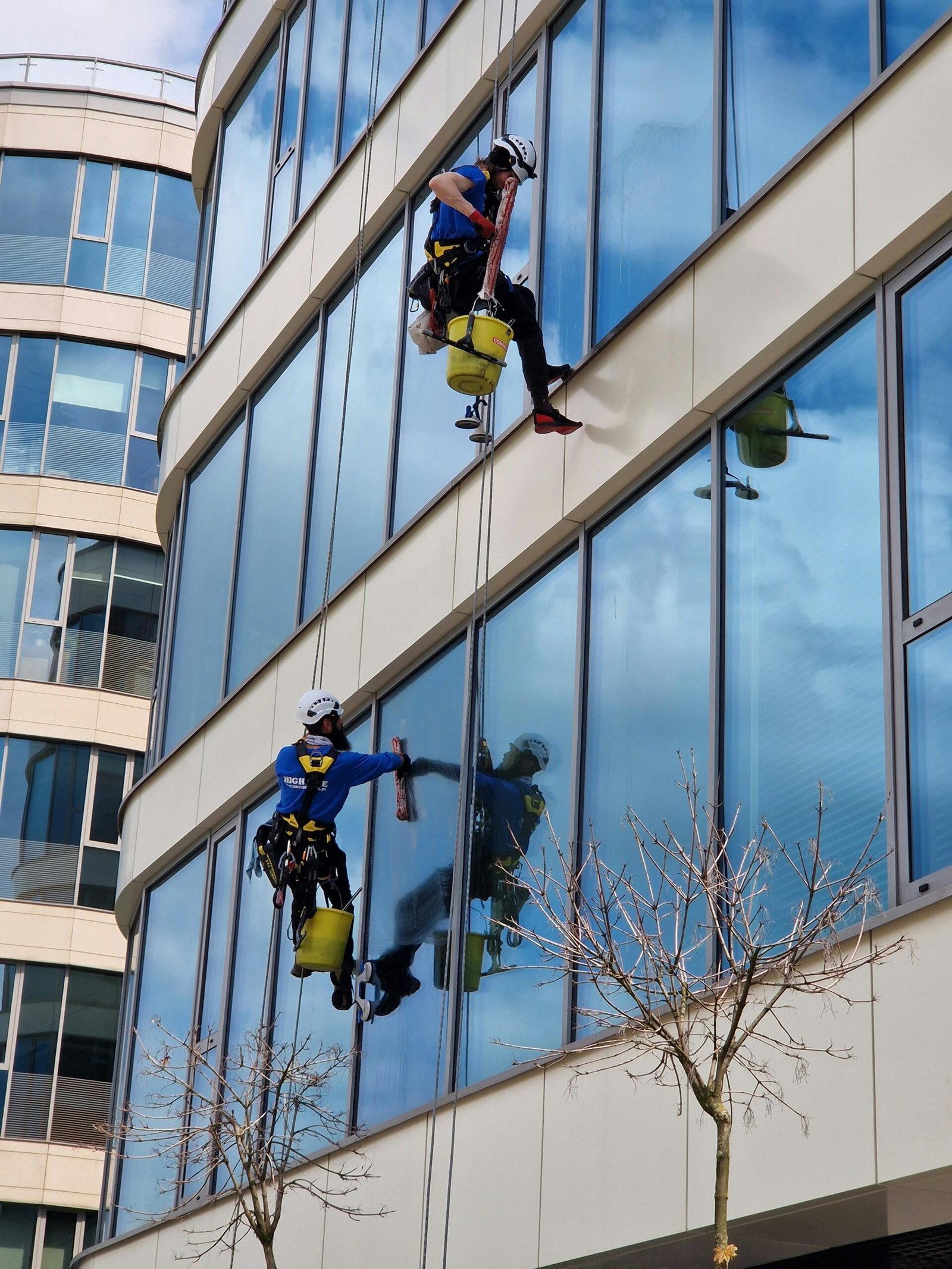
Falls from heights while climbing trees or working on ladders
Cuts and lacerations from chainsaws, pruners, and other cutting tools
Muscle strains and back injuries from lifting heavy branches and equipment
Falling objects such as branches or debris
Slip and trip hazards on uneven terrain, wet ground, or debris-covered sites
Repetitive strain injuries from sawing, trimming, or handling tools
Equipment accidents involving chippers, trucks, or rigging machinery
Environmental hazards such as exposure to extreme weather or insects
Workers’ compensation ensures that your Oregon-based employees receive timely medical care and financial support when accidents occur.
What Workers’ Compensation Typically Covers for Tree Service Businesses in Oregon
A workers’ compensation policy for tree service companies generally includes:
Medical Care for Work Injuries
Covers doctor visits, emergency care, diagnostics, surgeries, therapy, medications, and follow-up treatment.
Lost Wage Replacement
Provides partial income to employees who are temporarily unable to work due to injury.
Temporary or Permanent Disability Benefits
Financial support if an employee experiences a lasting impairment affecting their ability to perform tree service duties.
Rehabilitation & Recovery Support
Covers physical therapy, occupational therapy, or other recovery programs to help employees safely return to work.
Employer Liability Protection
Protects the business if an employee files a claim alleging negligence related to a workplace injury.
This coverage helps tree service businesses in Oregon maintain safe, compliant, and financially secure operations.
Who Needs Workers’ Compensation in the Tree Service Industry in Oregon?
Workers’ compensation is crucial — and often required — for a wide range of tree service professionals, including:
Arborists and tree care specialists
Tree removal and pruning crews
Climbing and rigging teams
Equipment operators and chippers
Truck drivers and delivery personnel for tree service operations
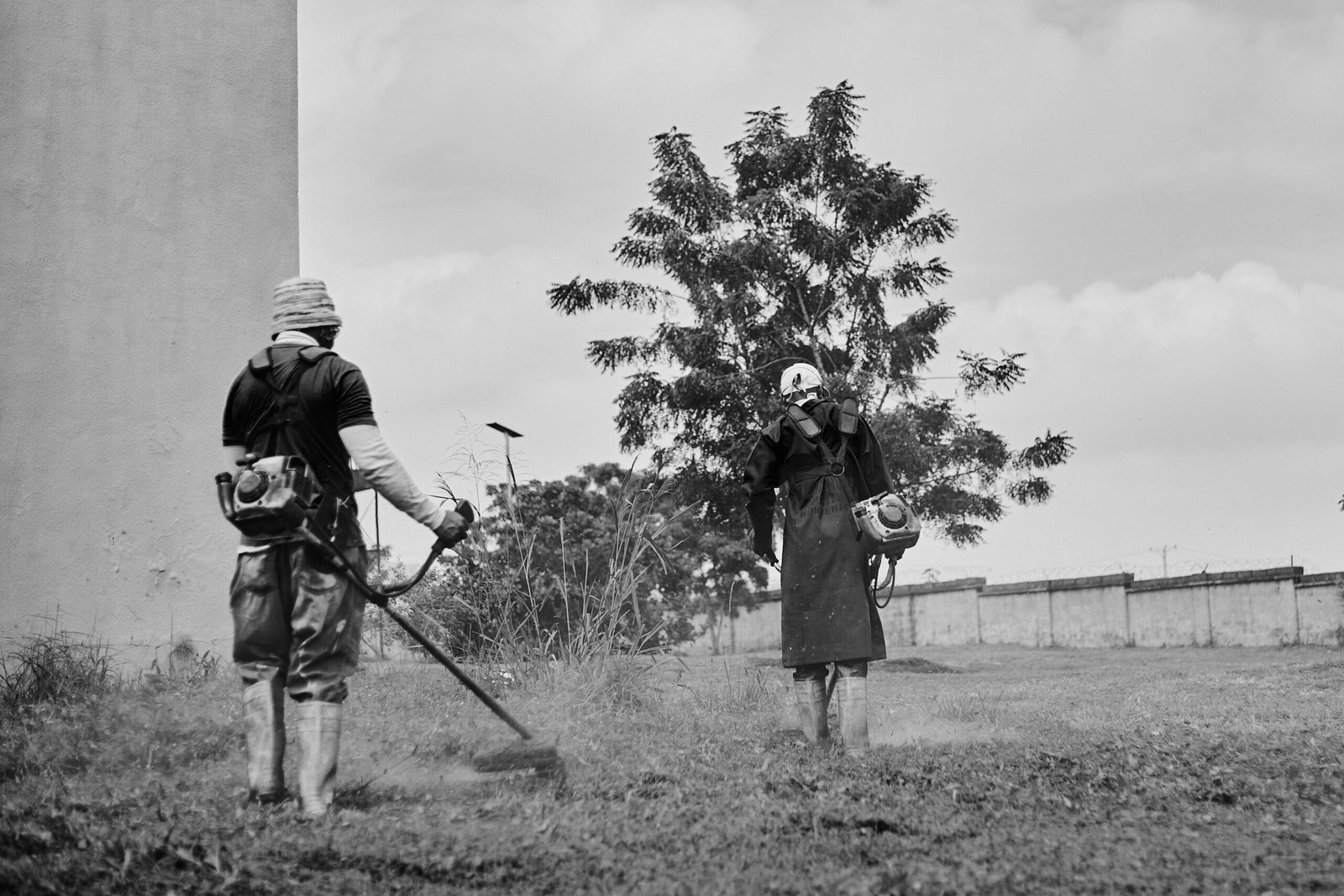
Grounds cleanup and debris removal teams
Seasonal or temporary tree service workers
Administrative staff and office personnel in tree service companies
Any tree service business in Oregon with employees must maintain workers’ compensation coverage to remain compliant and protected.
- FAQS
Frequently Asked Questions
We understand that insurance can feel confusing, especially when it involves protecting your employees, tools, and business assets. That’s why we created this detailed FAQ page—to bring clarity, confidence, and peace of mind to Oregon business owners.
Here you’ll find straightforward answers to the most common questions about Workers’ Compensation, General Liability, Business Owner’s Policies (BOP), and Tools & Equipment coverage. Our goal is to help you make fully informed decisions and secure the right protection for your business.
Yes. Any tree service business with employees in Oregon is required to carry workers’ compensation coverage.
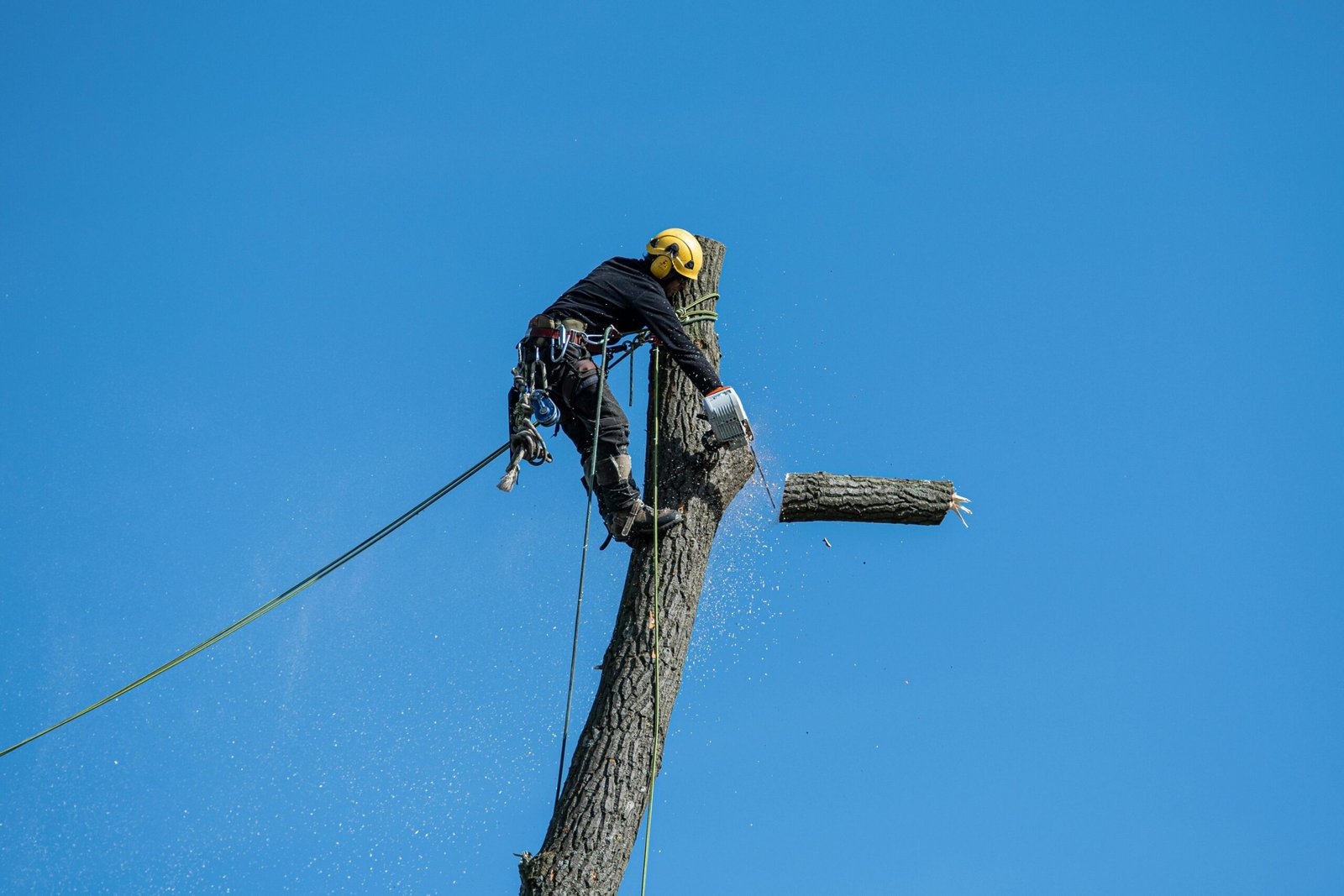
Yes. Injuries from falls, whether from trees, ladders, or elevated platforms, are typically covered.
Yes. Injuries caused by chainsaws, pruners, chippers, and other equipment are generally covered.
Yes. Employees, including seasonal or temporary staff, are typically required to be covered under workers’ compensation.
Yes. Injuries caused by falling objects on the job are usually included in workers’ compensation.