Workers’ Compensation Insurance for Trucking Businesses
Why Workers’ Compensation Matters for Trucking Companies
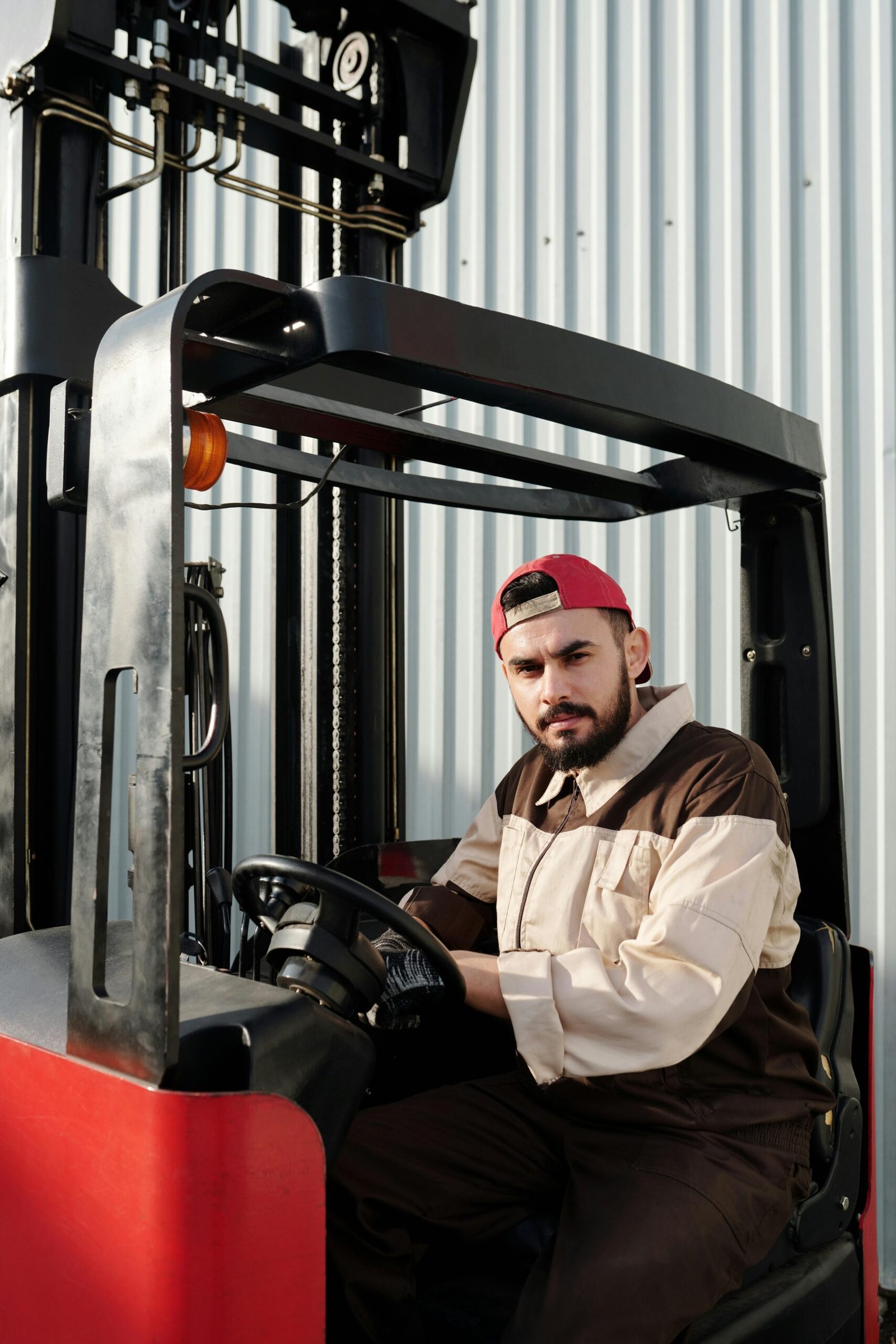
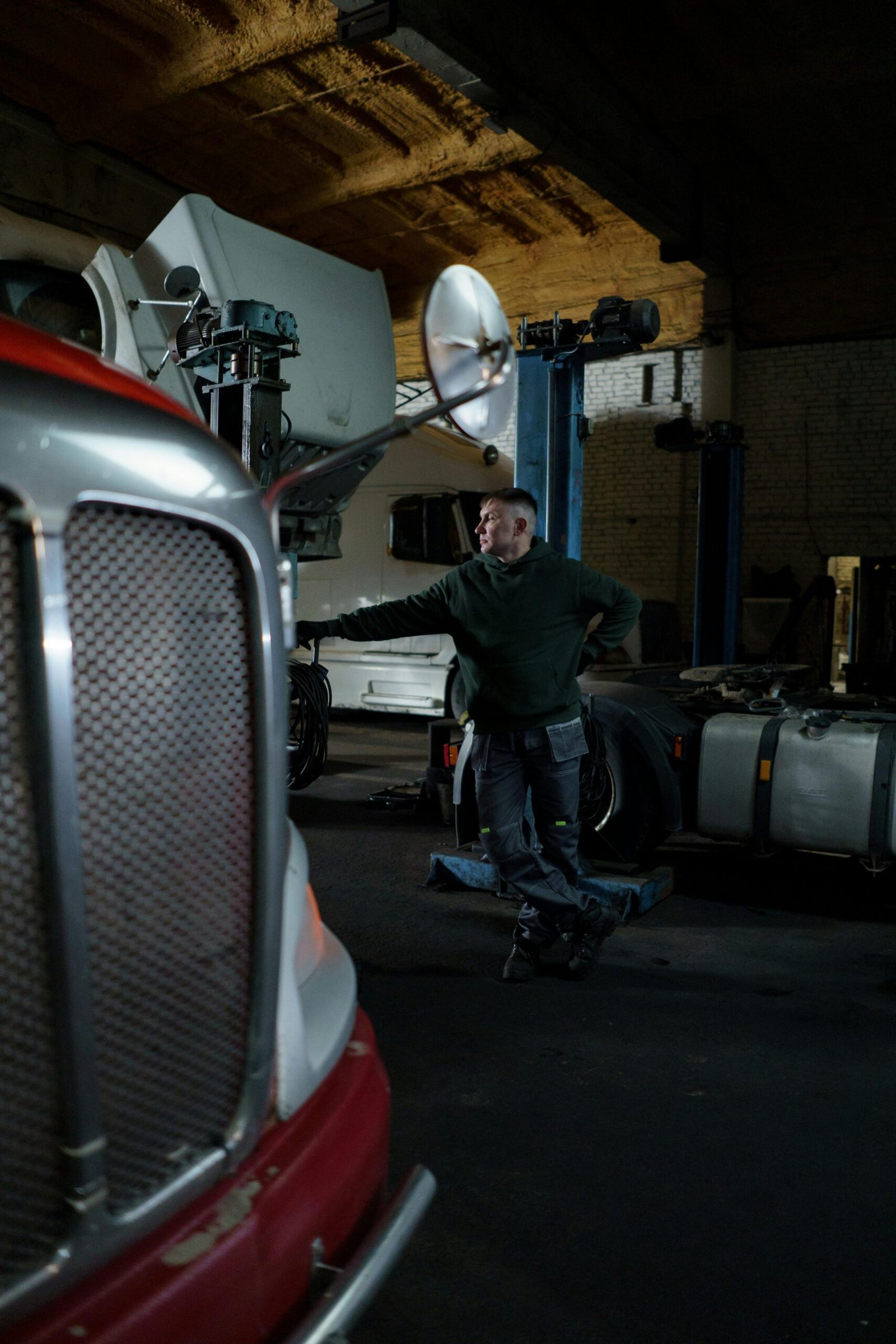
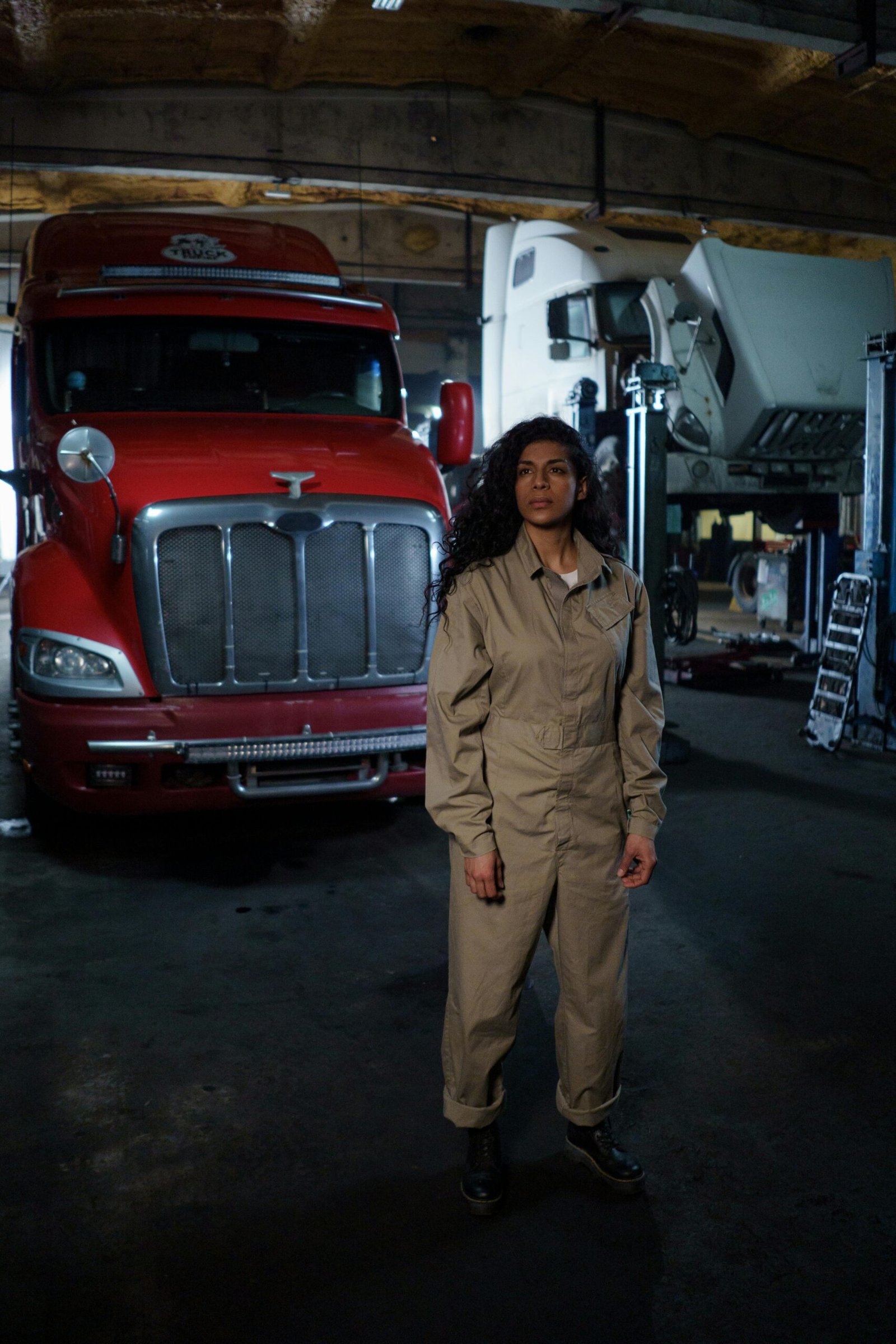
Trucking businesses face unique risks that require reliable protection. Long hours, heavy lifting, unpredictable road conditions, and tight schedules all contribute to a high rate of workplace injuries. Even experienced drivers can be affected by fatigue, weather hazards, mechanical issues, or accidents caused by other motorists.
Workers’ compensation insurance supports your business by providing immediate medical and financial assistance to injured employees. At the same time, it helps trucking companies comply with state laws, avoid penalties, and maintain seamless operations when unexpected incidents arise. For companies handling freight or specialized loads, comprehensive workers’ comp coverage ensures every member of the team has the protection they need.
Trucking involves intensive physical and logistical demands, making employees vulnerable to various workplace injuries, including:
Road accidents and collisions during long or short-haul trips
Muscle strains and back injuries from loading or unloading trailers
Slip-and-fall injuries around docks, warehouses, rest stops, or fueling areas
Repetitive motion injuries from long hours behind the wheel
Fatigue-related incidents due to extended shifts and irregular sleep patterns
Injuries from heavy equipment such as lift gates, pallet jacks, or tie-down systems
Weather-related hazards, including snow, rain, and icy surfaces
Exposure to hazardous materials for companies transporting chemicals or industrial goods
Workers’ compensation coverage ensures that injured employees receive necessary care while protecting the trucking company from unexpected financial burdens.
We understand that insurance can feel confusing, especially when it involves protecting your employees, tools, and business assets. That’s why we created this detailed FAQ page—to bring clarity, confidence, and peace of mind to Oregon business owners. Here you’ll find straightforward answers to the most common questions about Workers’ Compensation, General Liability, Business Owner’s Policies (BOP), and Tools & Equipment coverage. Our goal is to help you make fully informed decisions and secure the right protection for your business.