Workers’ Compensation Insurance for Wholesale & Distribution Businesses
Why Workers’ Compensation Matters for Wholesale & Distribution Companies
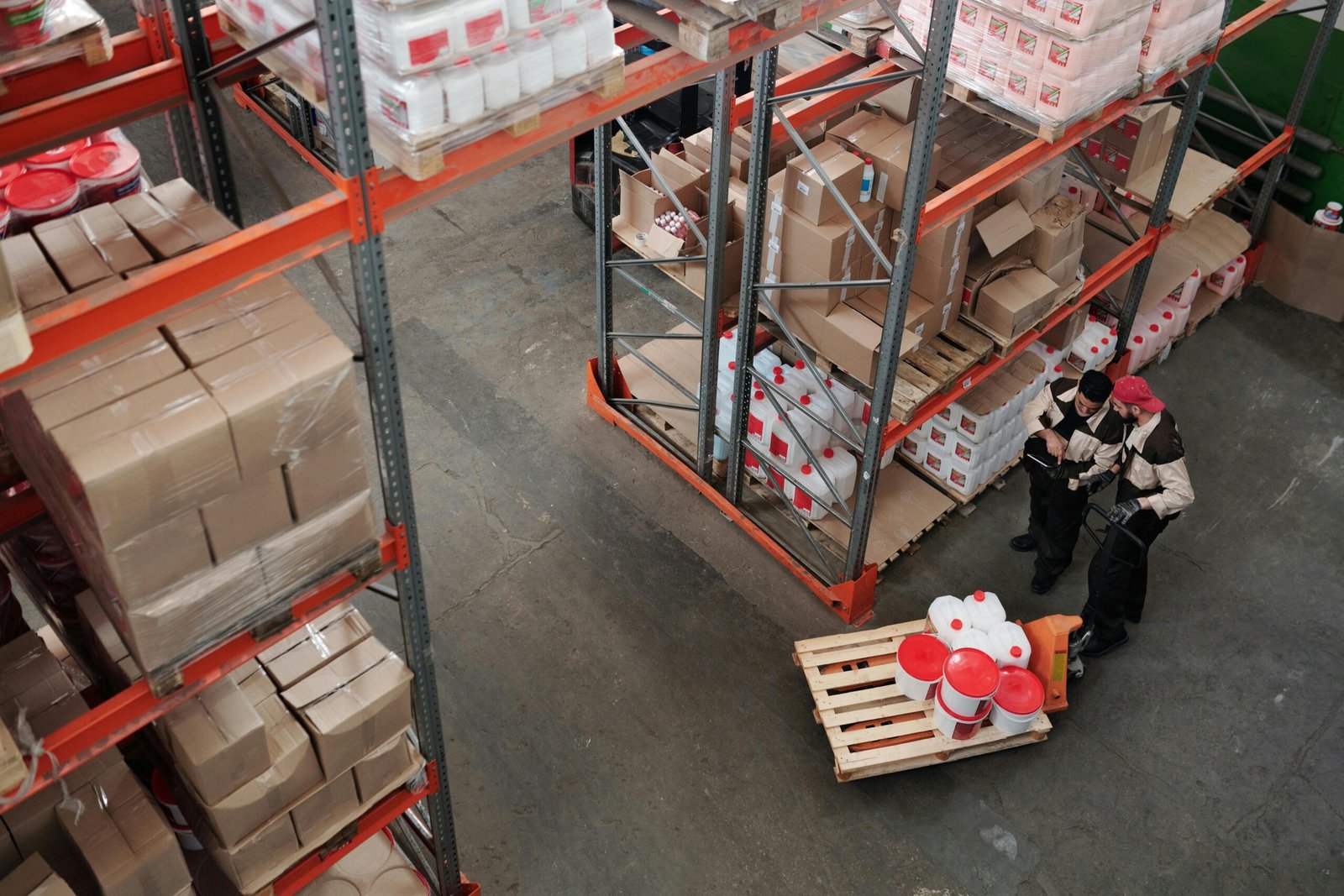
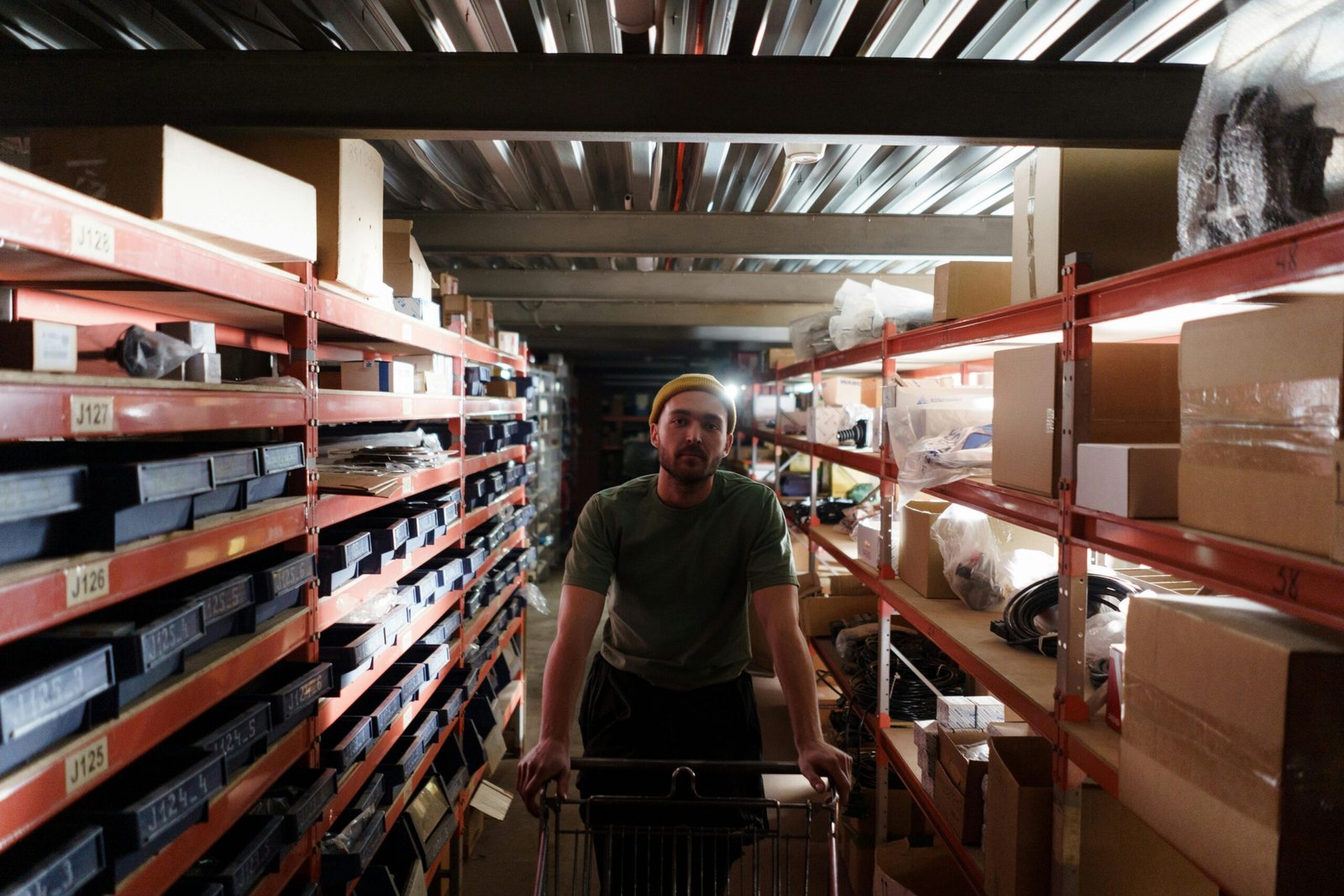
Wholesale and distribution teams work in dynamic, high-energy environments. Employees often lift heavy products, operate machinery, navigate complex warehouse layouts, and move goods on tight deadlines. Even with strong safety procedures, injuries can happen quickly.
Workers’ compensation is essential because it provides immediate support when employees are injured, while protecting your business from legal and financial consequences. It covers medical costs, wage loss, rehabilitation, and disability benefits — ensuring your warehouse, logistics, and administrative staff are properly supported after an incident. For wholesale and distribution businesses aiming to keep operations smooth and efficient, this coverage is critical.
Common Injury Risks in the Wholesale & Distribution Industry
Warehouse and distribution environments present multiple hazards due to frequent lifting, heavy equipment, and fast-paced movement. Common injury risks include:
Strains, sprains, and back injuries from lifting, carrying, or stacking inventory
Slip-and-fall accidents caused by spills, uneven flooring, or cluttered aisles
Forklift and pallet jack injuries due to machinery accidents or improper handling
Repetitive motion injuries from packing, sorting, and scanning items
Crush and impact injuries from falling boxes, shelving collapses, or equipment malfunction
Cuts, bruises, and hand injuries from handling packaging materials or tools
Transportation-related incidents for drivers delivering or moving goods
Fatigue-related injuries during long shifts, peak seasons, or overtime hours
Workers’ compensation ensures medical care, wage replacement, and recovery support — essential in an industry where heavy workloads and physical tasks are part of daily operations.
We understand that insurance can feel confusing, especially when it involves protecting your employees, tools, and business assets. That’s why we created this detailed FAQ page—to bring clarity, confidence, and peace of mind to Oregon business owners. Here you’ll find straightforward answers to the most common questions about Workers’ Compensation, General Liability, Business Owner’s Policies (BOP), and Tools & Equipment coverage. Our goal is to help you make fully informed decisions and secure the right protection for your business.